Weda Bay Nickel's reclaimed land more than doubles to 223 hectares, sharpening the case for pricing recovery
By Sirkularium Editorial Team, 8 min read
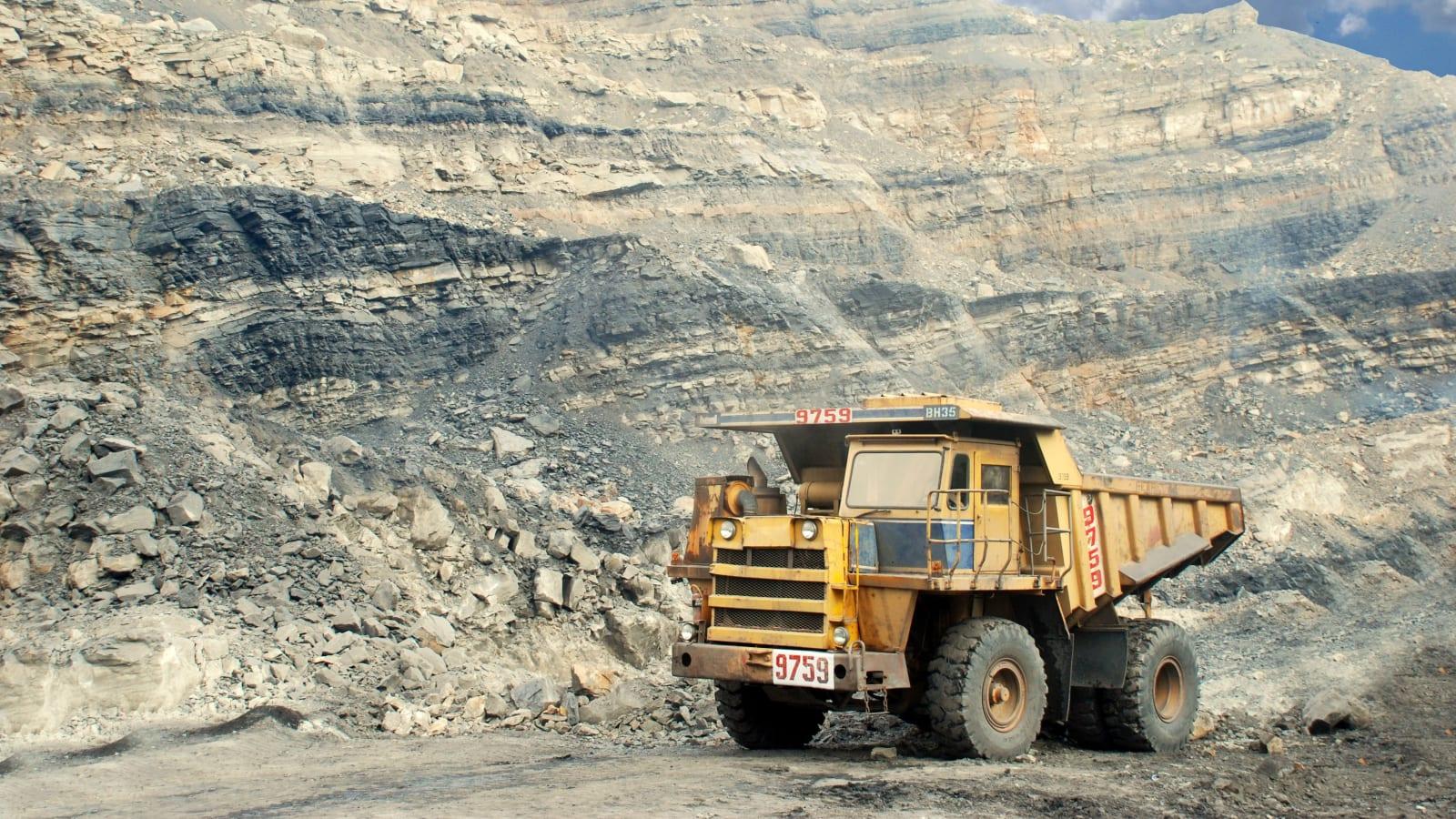
PT Weda Bay Nickel had reclaimed 223.43 hectares of former mining land in Halmahera Tengah by March 2026, up from 84.86 hectares four months earlier. The gain is a genuine operational milestone, and a reminder that Indonesia still has few routine ways to put a rupiah figure on what recovered land is worth.
What happened
PT Weda Bay Nickel (WBN), the nickel ore producer operating in Kao Rahai, Biri-Biri, and Tofu in Halmahera Tengah, North Maluku, has reclaimed 223.43 hectares of former mining land as of March 2026. Multiple outlets, including Kompas Lestari, Liputan6, Viva, JPNN, and Akurat, reported the figure between July 17 and 20, drawing on company disclosures and site visits. The number represents more than a doubling of the 84.86 hectares WBN had reported reclaimed as of mid-November 2025, an expansion of roughly 2.6 times in under five months.
WBN is majority owned by Strand Minerals Pte. Ltd. of Singapore, which holds 90 percent, with PT Antam holding the remaining 10 percent. Within Strand, France's Eramet Group holds 43 percent and China's Tsingshan Group holds 57 percent, making WBN one of the more closely watched joint ventures in Indonesia's nickel supply chain on both governance and environmental grounds.
Ronggour Siahaan, WBN's Manager of Health, Safety, and Environment, framed the reclamation push as embedded in the mine's operating model rather than a closing-stage obligation. "Environmental management is integrated into each operational phase, from planning and execution through monitoring and recovery of mined areas," he said, according to Kompas Lestari and Liputan6. Fitri Ritonga, the company's Rehabilitation Superintendent, was more direct about what the number is meant to demonstrate: "This reclamation achievement is proof that we are ensuring mining activity proceeds alongside environmental recovery," she told Bisnis.com and Kontan when the 84.86-hectare figure was first reported.
The numbers behind the recovery
The reclamation work rests on a nursery covering 2.02 hectares, with capacity to raise roughly 300,000 seedlings a year across 51 plant species. Two tiers of species are in use. Fast-growing pioneer species, including golo, makaranga, nyatoh, gopasa, trembesi, johar, bintangur, ketapang, jabon merah, and sengon, stabilize soil and canopy cover quickly after mining ends. An endemicity-based second tier then follows, using species native to North Maluku such as nutmeg (pala), candlenut (kenari), clove (cengkeh), cinnamon, and eucalyptus (kayu putih), chosen specifically because they support the recovery of habitat for endemic fauna rather than for their ornamental or timber value alone.
To date the program has planted 53,037 pioneer plants at a stated density of about 625 seedlings per hectare, and WBN says it intends to scale the nursery toward a target of 1 million seedlings a year. In June 2026 the company added 1,000 further seedlings across its three operational areas and ran Clean Up Day waste-sorting activities in employee and contractor housing, alongside circular-economy initiatives that turn scrap metal and used drums into reusable materials.
The reclamation plans behind this work have been approved by the Ministry of Energy and Mineral Resources (ESDM), and sit inside a larger obligation: under its Forest Area Use Permit (Pinjam Pakai Kawasan Hutan, or PPKH), WBN is required to rehabilitate 3,220 hectares of watershed across North Maluku. That obligation breaks down unevenly by district. Halmahera Tengah, where WBN's operations are concentrated, carries 1,075 hectares and has already been returned to government control. Halmahera Barat carries the largest share at 1,330 hectares, followed by Halmahera Timur at 466 hectares and Halmahera Selatan at 349 hectares.
Fitri Ritonga, Rehabilitation Superintendent at PT Weda Bay Nickel: "This reclamation achievement is proof that we are ensuring mining activity proceeds alongside environmental recovery."
Set against that 3,220-hectare obligation, the 223.43 hectares reclaimed so far represents roughly 7 percent of WBN's total watershed rehabilitation commitment, a useful reminder that a strong quarter-on-quarter gain and a completed obligation are two different things worth tracking separately.
Why the reclamation figure needs a price tag
Every account of WBN's progress describes hectares reclaimed, plants used, and nursery capacity. None of the coverage puts a monetary or ecosystem-services figure on what that land is now worth, or on what its degraded state cost the surrounding watershed while it sat unreclaimed. That gap is not a shortcoming specific to WBN. It reflects how post-mining reclamation is reported across Indonesia's nickel sector generally: as a physical accounting exercise, hectares against hectares, rather than an economic one.
Indonesia already has the regulatory basis to close that gap. Permen LH No. 7 Tahun 2014 sets out a methodology for calculating environmental economic loss and recovery cost from pollution or ecosystem damage, and it has increasingly been applied in enforcement and court settings to price the cost of environmental harm after the fact. What is less common is the inverse application: using the same class of ecosystem-services valuation, paired with GIS and remote-sensing verification of land-cover and reclamation extent, to price the value being restored as a matter of routine disclosure rather than dispute resolution. A reclaimed hectare of endemic-species forest in Halmahera Tengah has a water-regulation function, a biodiversity function, and in time a carbon function, each of which existing Indonesian environmental economics tools can estimate.
For a company operating inside a global nickel supply chain under increasing scrutiny from downstream buyers and financiers, an independently verified valuation of reclaimed land would do more than satisfy ESDM's reclamation plan approval. It would give WBN, and by extension its owners in Singapore, France, and China, a defensible, quantified answer to due-diligence questions about environmental performance, one that goes beyond a hectare count self-reported through press releases.
What comes next
WBN's own disclosures point to continued expansion: a nursery scaling toward 1 million seedlings a year, ongoing revegetation phased against the approved reclamation plan, and a remaining 96 percent or so of the 3,220-hectare watershed obligation still to be met across four districts. The next data points worth watching are whether Halmahera Barat's larger 1,330-hectare share sees comparable progress to Halmahera Tengah's, and whether WBN or ESDM publish any third-party verification of reclamation extent, since all figures reported to date originate from the company itself.
Sirkularium's view
For government and public institutions overseeing Indonesia's nickel sector, the WBN case illustrates both the promise and the limit of self-reported reclamation metrics. The trend is genuinely positive, and worth recognizing as such: reclaimed area has more than doubled in under five months, endemic species are being prioritized over ornamental planting, and a nursery investment is scaling toward the company's full watershed obligation. Government agencies overseeing reclamation compliance, including ESDM and regional environment offices in North Maluku, have an opportunity to build on that momentum by pairing physical reclamation reporting with routine, independently verified economic valuation, using GIS-based land-cover mapping alongside ground survey data and the ecosystem-services methodology Indonesia's own environmental economics regulations already provide.
Commissioning that valuation on a regular cycle, rather than only when a dispute or enforcement action arises, would let mining companies demonstrate compliance and defend their environmental record in monetary terms that government, financiers, and the public can all read consistently. It would also give provinces such as North Maluku, and inland provinces like Kalimantan Timur that are separately building their own reclamation-guarantee frameworks, a shared basis for comparing reclamation performance across operators rather than relying on each company's own hectare counts. As Indonesia's downstreaming strategy continues to draw more nickel capacity into production, routine economic valuation of reclaimed land is the kind of infrastructure that turns a good operational story into a verifiable one.
Weda Bay Nickel's 3,220-hectare rehabilitation obligation, by district
Values in hectares
Sources
- Liputan6.com, Weda Bay Nickel Reklamasi 223 Hektare Lahan Tambang
- Kompas Lestari, Weda Bay Nickel Reklamasi 223 Hektare Lahan Pascatambang
- Viva.co.id, Reklamasi 223,43 Ha Lahan, Weda Bay Nickel Pulihkan Fungsi Ekologis Kawasan Tambang
- JPNN.com, Weda Bay Nickel Optimalkan Reklamasi dan Revegetasi Demi Pemulihan Ekosistem
- Akurat.co, Weda Bay Nickel Reklamasi 223 Hektare Lahan Tambang hingga Maret 2026
- Bisnis.com, Weda Bay Nickel Reklamasi 84,86 Hektare Lahan Bekas Tambang di Halmahera Tengah
- Kontan, Tambang Berkelanjutan, Weda Bay Nickel Reklamasi 84,86 Hektare Lahan Bekas Tambang