
A landfill fire in Depok is contained within hours, and the city moves fast on prevention
By Sirkularium Editorial Team, 8 min read
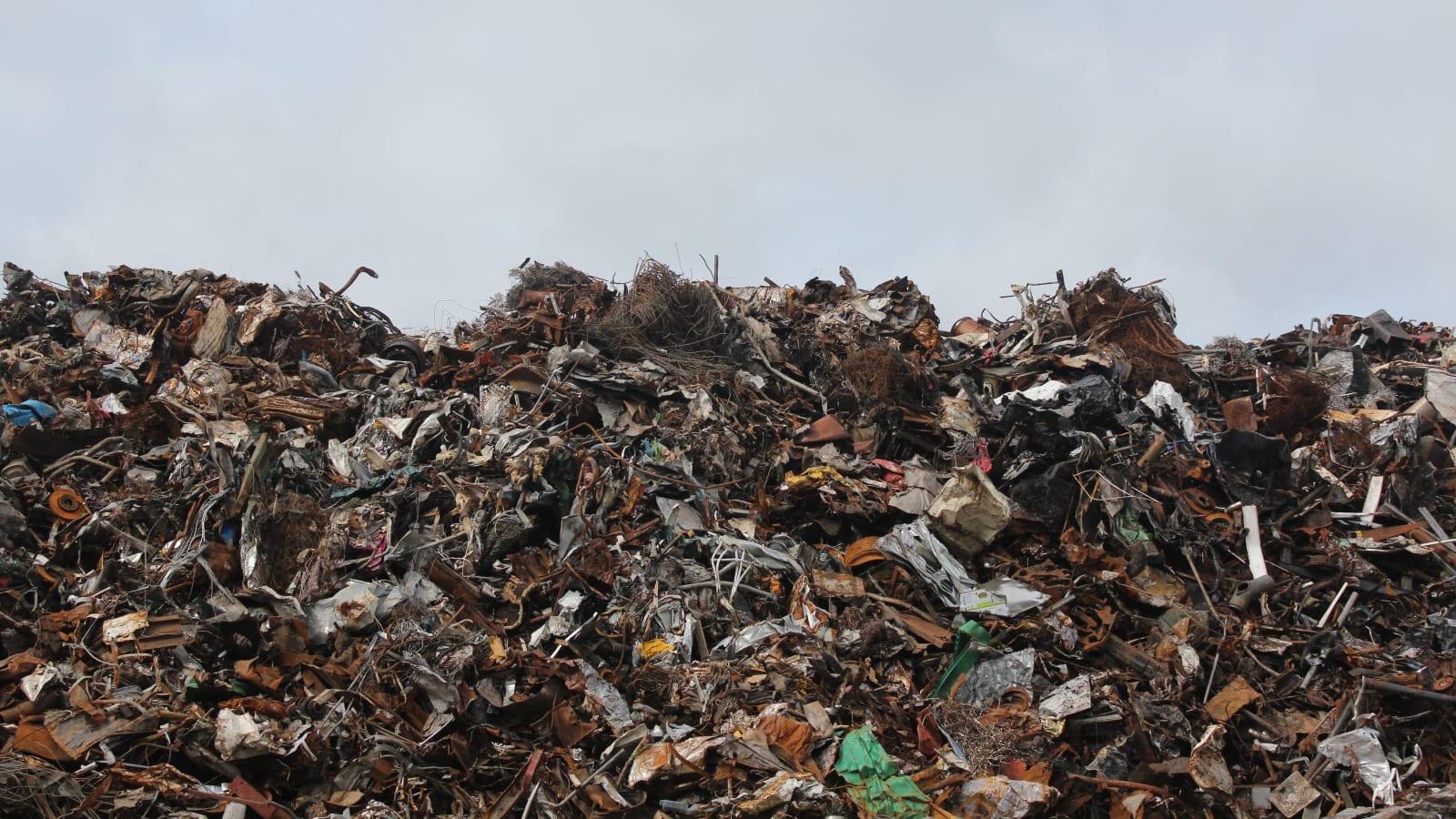
A fire broke out at Depok's overloaded Cipayung landfill on the evening of 16 July 2026 and was brought under control within hours with no injuries, prompting the city to roll out round-the-clock patrols and daily preventive watering ahead of the rest of the dry season.
A fire, and a fast, coordinated response
A fire broke out at TPA Cipayung, Depok's main landfill in West Java, on the evening of Thursday, 16 July 2026, at around 7:30pm. The city's fire and rescue department mobilised units from four stations, UPT Cipayung, UPT Bojongsari, UPT Cinere, and Mako Kembang, sending seven to eight fire trucks and 20 to 32 personnel to the site, figures that vary slightly across local outlets' initial reports. Syuhada, commander of the UPT Cipayung unit, said it took approximately two hours and fifteen minutes of sustained work before the site was declared fully safe, while several early reports described the main blaze as knocked down within 30 to 45 minutes of crews arriving. Two waste trucks queued near the fire were destroyed, and a third vehicle belonging to the city's environmental agency sustained heat damage but remained operational and was covered by insurance. No injuries or fatalities were reported.
As a precaution while the fire was being brought under control, around 1,000 residents living near the landfill were moved to safer ground. Rahman Pujiarto, head of Depok's Fire and Rescue Department, summed up the outcome once crews stood down.
"Alhamdulillah, semua sudah terkondisi dengan baik," Pujiarto said, meaning that everything was well under control and the situation was safe.
Behind the flames: a site already over capacity
TPA Cipayung is not a small facility running near its limits by accident. Opened in 1985 on an 11.2-hectare site originally designed to serve Depok's 11 districts and 63 subdistricts at a rate of 900 to 1,000 tonnes a day, the landfill has been operating in overload since as early as 2014 by some local accounts. It has already accumulated an estimated 2.9 million tonnes of waste and continues to take in roughly its full designed daily volume, out of the approximately 1,265 tonnes the city generates each day overall, a margin that leaves little room for the kind of dry-season conditions, heat, decomposing organic waste generating methane, and dry surface material, that raise fire risk at open waste sites across Indonesia generally. The exact cause of Thursday's fire remains under investigation, according to Reni Siti Nuraeni, head of Depok's Environmental Health and Sanitation Department (DLHK), who said the findings would directly inform the city's next round of prevention measures.
What Depok is doing differently now
Rather than waiting for the investigation to conclude before acting, the city announced a set of preventive measures to run through the remainder of the dry season. DLHK asked the fire department to carry out routine water spraying of the waste piles at least twice a day, a direct response to the heat conditions Nuraeni cited as a contributing factor. The city has also introduced round-the-clock patrols at the site, banned smoking within the landfill area, and prohibited bringing in any item capable of producing sparks.
"Kami juga telah menyiapkan sejumlah upaya preventif guna mencegah kejadian serupa terulang kembali," Nuraeni said, meaning the city has already prepared a series of preventive steps specifically aimed at stopping a similar incident from happening again.
Those measures are deliberately operational rather than aspirational: routine watering and patrols are things a municipal sanitation department can put in place within days, without waiting for capital investment in new landfill infrastructure or a change in national regulation.
The bigger fix already in motion
The fire prevention measures announced this week sit on top of a structural transition that was already underway before Thursday's fire. Indonesia's Ministry of Environment has administratively ordered TPA Cipayung closed, but has given Depok until 2029 to bring modern processing capacity online rather than shutting the gates immediately, recognising that a city of roughly 2.1 million people cannot lose its main disposal site overnight. In response, city hall is fast-tracking a refuse-derived-fuel plant on the Cipayung site itself, designed to process 500 to 1,000 tonnes of waste a day, converting material that would otherwise be landfilled into a fuel product rather than left to decompose and generate methane. The plan is currently before the Depok City Council for approval. Separately, the city has scheduled capping of the existing landfill surface with a membrane layer for 2027, alongside revitalisation of four waste processing units, at Cicalak Pasar, Sukatani, Pondok Petir, and Harjamukti, that have been running below capacity.
Read together, the RDF plant, the capping schedule, and this week's patrol and watering measures describe a city treating the fire as a prompt to accelerate a transition it had already committed to, rather than as an isolated emergency to be managed and then set aside.
Reading a contained fire correctly
A landfill fire that burns for a few hours, injures no one, and is followed within days by a documented set of prevention measures is a different kind of story from one that burns for a week and forces a formal disaster declaration. Both point to the same underlying condition, an aging open landfill carrying more waste than it was designed for during the driest part of the year, but the response is what determines whether that condition turns into a prolonged public health event or a contained incident that a city recovers from quickly. Depok's combination of a rapid, multi-station firefighting response, a transparent public accounting of what happened, and same-week preventive action is closer to the kind of operational discipline that reduces risk at the dozens of other ageing landfills still serving Indonesian cities through this dry season.
Sirkularium's view
For local governments managing landfills that are, like Cipayung, operating well past their intended capacity, the useful takeaway from Depok's response is not the fire itself but the sequence that followed it: mobilise fast, evacuate precautionarily rather than reactively, investigate the cause rather than assume it, and convert whatever the investigation finds into a specific, scheduled preventive routine, watering frequency, patrol coverage, restrictions on ignition sources, rather than a general pledge to do better. Cities still relying on ageing open landfills without a comparable watering and patrol schedule already in place would do well to establish one now, before the next hot spell, rather than after their own fire. Depok's experience also reinforces a point that applies nationally: the deeper fix is still reducing how much waste reaches sites like Cipayung in the first place, through source sorting, organic processing, and the waste-to-energy and recycling capacity now being built out elsewhere in the country, since a landfill that receives less each day is also one with proportionally less fuel available the next time conditions turn dry.
Sources
- Kompas, Kebakaran Melanda TPA Cipayung Depok, Dua Truk Hangus
- Metro TV, Penyebab Kebakaran TPA Cipayung Diusut, Pemkot Depok Siapkan Mitigasi
- Metro TV, Kebakaran di TPA Cipayung Depok, Api Berhasil Dipadamkan Petugas
- Disway, TPA Cipayung Depok Kebakaran, 8 Armada Damkar Diturunkan Untuk Padamkan Api
- Disway, Kebakaran TPA Cipayung Depok Jadi Alarm, DLHK Depok Minta Damkar Rutin Siram Gunungan Sampah
- Viva, Kebakaran Besar Hanguskan Area TPA Cipayung Depok, Truk Sampah yang Antre Masuk Berhasil Diselamatkan
- Media Indonesia, TPA Cipayung Depok Kebakaran, 1.000 Warga Dievakuasi
- Kompas, TPA Cipayung Sudah Overload, Pemkot Depok Kebut Pembangunan RDF Plant
- Detik News, TPA Cipayung Overload Akan Ditutup, Pemkot Depok Siapkan Fasilitas RDF