Indonesia opens ethanol plant construction to private investors ahead of E20
By Sirkularium Editorial Team, 8 min read
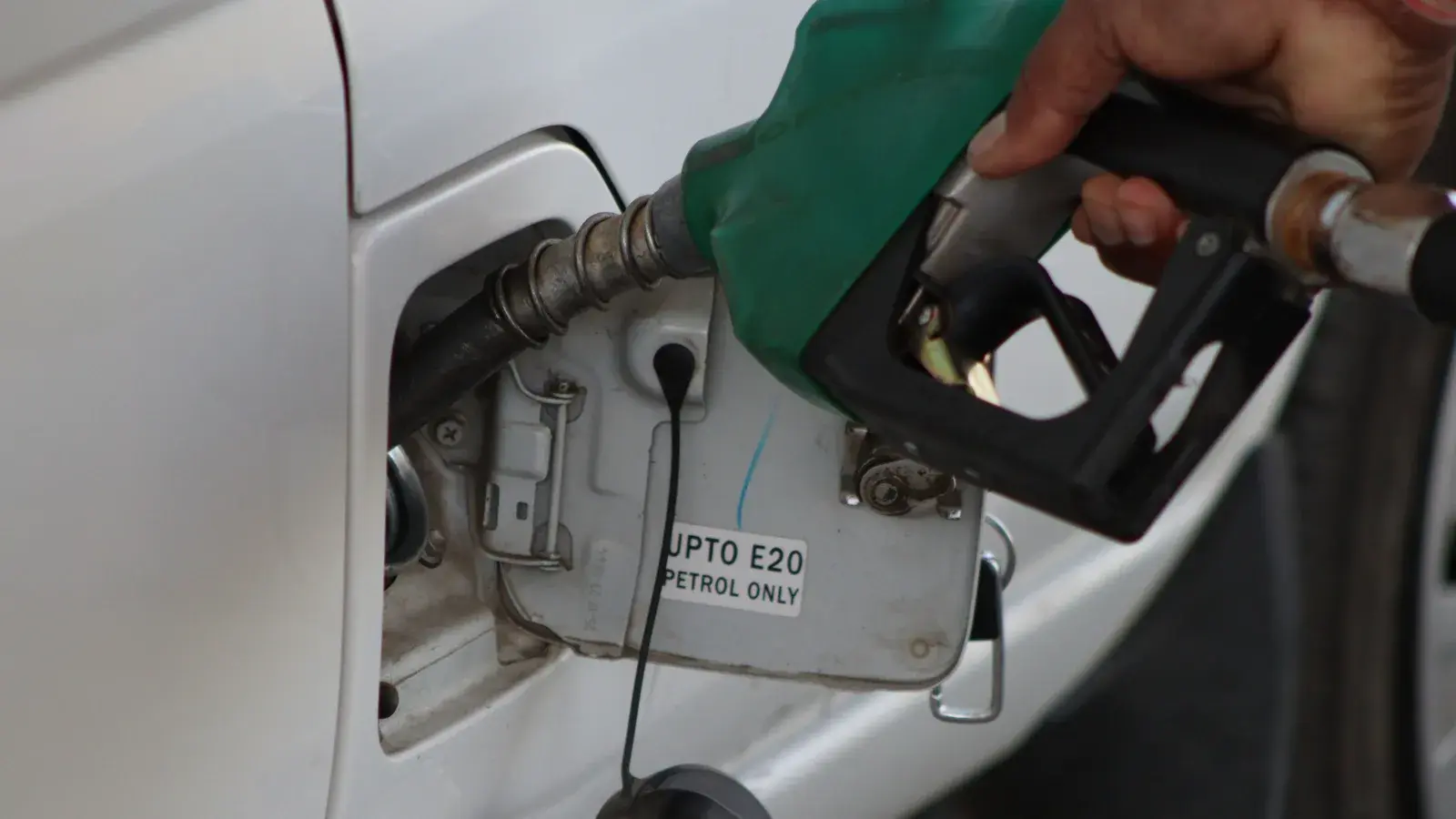
The Ministry of Energy and Mineral Resources invited private companies to build bioethanol plants, aiming to grow Indonesia's single existing facility into 30 to 50 within a few years to meet a 20 percent ethanol blending mandate by 2028.
Jakarta opens the door for private ethanol plants
On Monday, July 20, 2026, in Jakarta, the Ministry of Energy and Mineral Resources formally invited private companies to build bioethanol plants, a direct response to the gap between Indonesia's ethanol production capacity today and what a mandatory 20 percent ethanol blend in gasoline, known as E20, will require by 2028. Eniya Listiani Dewi, the ministry's Director General of New, Renewable Energy and Energy Conservation, put the invitation plainly: "Private companies are allowed, and we strongly encourage them to build these bioethanol plants."
The announcement was reported across Indonesia's business press, including Kompas, Liputan6, Viva, and the national wire service Antara, alongside its English-language service. The ministry paired the invitation with a substantive policy signal, confirming it is revising Presidential Regulation No. 40 of 2023 on national sugar self-sufficiency and bioethanol provision, the rule that governs how blending capacity is built out and regulated.
The gap between one factory and a 20 percent mandate
The scale of the task explains the urgency. Indonesia currently operates only one ethanol plant capable of feeding fuel blending, and only three companies nationally produce fuel-grade ethanol at all, with a combined annual capacity of roughly 26,000 kiloliters, according to industry data reported alongside the ministry's announcement. Meeting the E20 mandate by 2028 will require around 4 million kiloliters of ethanol every year, The Jakarta Post reported in late June, citing government projections tied to Indonesia's roughly 40 million kiloliters of annual gasoline demand.
President Prabowo Subianto has already set the target for closing that gap: at least 30 new plants, and as many as 50 if needed. He framed the ambition against international benchmarks in comments carried by Liputan6: "I have decided we will build at least 30 plants, and up to 50 if necessary. India already has E20. Brazil already has E100. Why should Indonesia not be able to? Indonesia certainly can."
Construction itself is not expected to be the bottleneck. Eniya told reporters that a new ethanol plant can typically be built in about 1.5 years, provided its feedstock supply is secured in advance, a caveat that points to where the real work of this program will happen.
Learning from a policy template that already worked
The government is explicitly modeling this invitation on its own recent success with biodiesel. Indonesia's B50 biodiesel mandate, which combines 50 percent palm-oil-based biodiesel with conventional diesel, went into effect nationally in July 2026 and has already allowed the country to halt subsidized diesel imports, a policy the government credits with saving an estimated Rp170 trillion this year. Viva's coverage of the ethanol announcement noted officials drawing the comparison directly: as with biodiesel, the private sector is now being actively courted to help ethanol production scale in the same way.
That comparison matters because it signals a program with a demonstrated playbook rather than an experiment starting from zero. Indonesia has already shown it can coordinate feedstock producers, processors, and fuel distributors at national scale for one biofuel mandate. Applying the same coordination model to ethanol, rather than reinventing the approach, shortens the learning curve considerably.
Where the ethanol will come from
Feedstock, not construction, is the variable every official quoted in this story returned to. The government's roadmap under the regulation now being revised prioritizes sugarcane, cassava, and corn as ethanol sources, with a parallel plan to rehabilitate domestic sugarcane plantations at a rate of at least 100,000 hectares a year over the next two years, aimed at securing the molasses supply that underpins ethanol output. Energy and Mineral Resources Minister Bahlil Lahadalia has said the government intends to act as the primary off-taker for ethanol producers, a guarantee designed to give farmers and upstream businesses the demand certainty needed to invest in expanded planting and processing capacity.
Private investment interest is already visible ahead of the formal invitation. Toyota and state energy company Pertamina announced a joint venture to build a bioethanol plant, with construction targeted for the second and third quarters of 2026 and production aimed at the 2028 start of the E20 mandate. Separate projects are underway to revitalize an existing bioethanol facility in Lampung around a multi-feedstock, cassava-based supply chain, and to build a new plant in Bone, South Sulawesi, drawing on cassava, corn, and sugarcane from the surrounding region.
A staged path: E5, E10, then E20
The mandate is being introduced in stages rather than all at once, which gives both feedstock producers and plant developers time to scale. A 5 percent blend, E5, began rolling out in July 2026. E10 is planned to become mandatory in 2027, ahead of the full E20 requirement targeted for 2028, with some officials indicating the transition to full E20 enforcement may extend into 2029 depending on how supply develops. That staged calendar gives the newly invited private developers a realistic runway: plants approved and financed now, built within roughly 1.5 years, can be operating well before the mandate they are meant to supply becomes binding.
"I have decided we will build at least 30 plants, and up to 50 if necessary. India already has E20. Brazil already has E100. Why should Indonesia not be able to? Indonesia certainly can," President Prabowo Subianto said, as reported by Liputan6.
Sirkularium's view
For government and public institutions following Indonesia's energy transition, this announcement is best read alongside the China solar investment invitation reported earlier this week: both reflect a government actively recruiting private and foreign capital into specific, quantified capacity gaps rather than issuing broad targets and waiting for the market to respond on its own. That approach has a track record. The B50 biodiesel program, now cited as the template for ethanol, moved from mandate to nationwide rollout with private participation built in from the start, and it is already generating measurable import savings.
The institutions with the most influence over whether this program succeeds are not primarily in Jakarta. They are the provincial agriculture offices, plantation regulators, and regional development agencies responsible for the sugarcane, cassava, and corn supply chains that will determine whether 30 to 50 new plants have enough feedstock to run at capacity. Coordinating land rehabilitation, farmer financing, and offtake guarantees across those regional institutions is a more complex undertaking than approving plant permits, and it deserves at least as much attention from policymakers as the factory construction timeline.
For institutions evaluating where to focus support, a useful signal will be how quickly the revised Presidential Regulation No. 40 translates feedstock commitments, particularly the sugarcane rehabilitation target, into financing and extension programs that reach individual farmers. A well-supplied ethanol industry strengthens Indonesia's energy security and reduces fuel import dependence in the same way B50 already has. An ethanol industry built ahead of its feedstock, by contrast, would repeat a risk the government has clearly studied and is trying to avoid by inviting private capital in early, with the raw material question named as a priority from the outset.