Jakarta builds the economic case for its 2028 zero-open-dumping target
By Sirkularium Editorial Team, 8 min read

In a week of announcements running from 10 to 16 August 2026, Jakarta's provincial government reaffirmed Governor Pramono Anung Wibowo's target of managing 100 percent of the capital's waste by 2028, while a DPD lawmaker pressed the city to set up a dedicated waste-to-revenue enterprise and officials opened the disputed Cilincing dump site to press scrutiny.
Jakarta reaffirms its 2028 target, and opens Cilincing to scrutiny
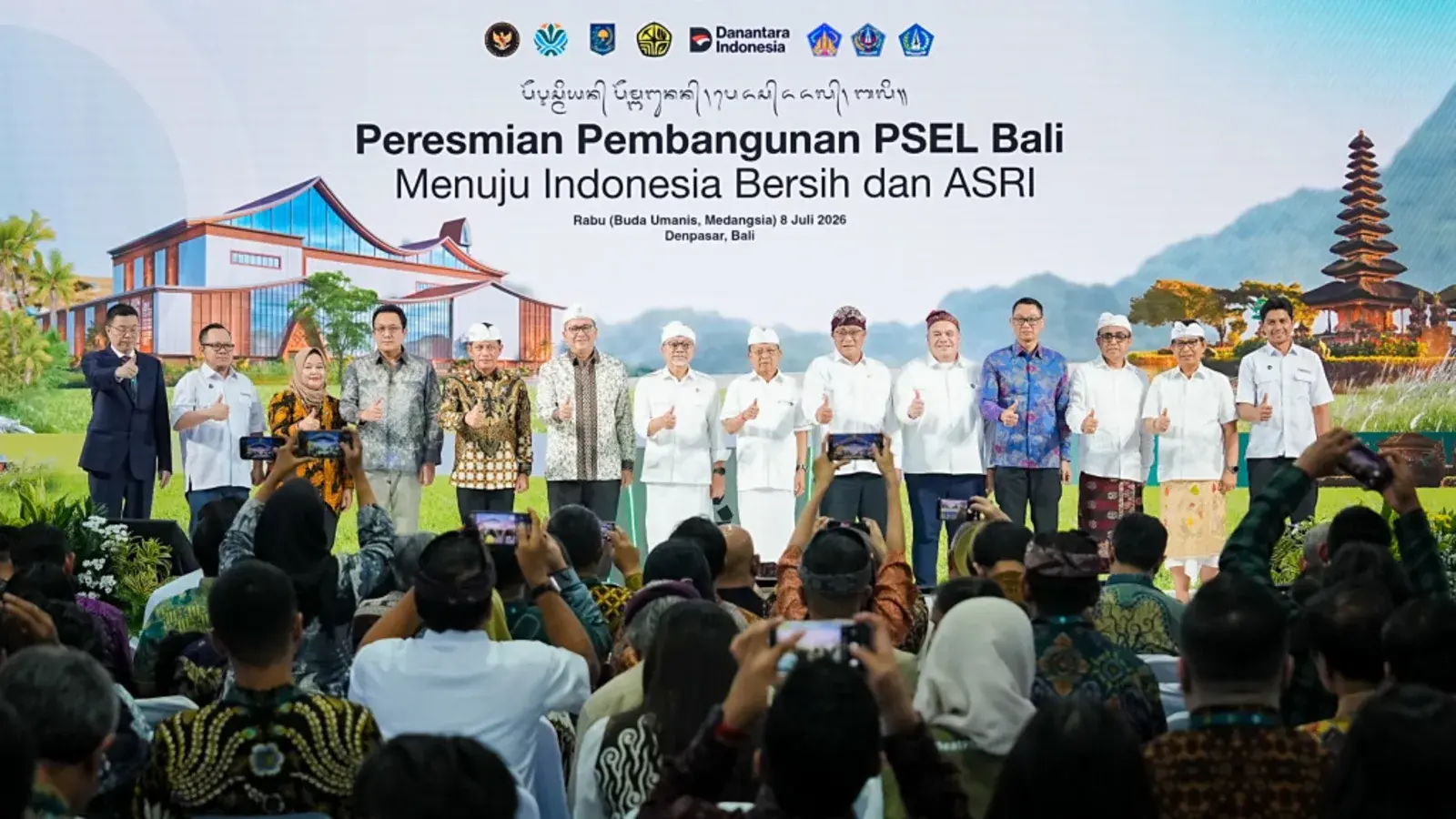
In a weekly round up of DKI Jakarta government activity published on 16 August 2026, ANTARA News reported that Governor Pramono Anung Wibowo has again set 2028 as the year he wants all of the capital's waste, currently around 9,000 tonnes a day, fully managed rather than simply collected and dumped. The target rests on three waste-to-energy plants (PLTSa) planned for Bantargebang, Tanjung Priok and Sunter, each designed to process between 1,500 and 2,000 tonnes of waste daily, developed with Danantara and the Ministry of Environment.
The same weekly summary noted a smaller but telling governance step: the provincial government said it would provide media accompaniment, with the Civil Service Police Unit (Satpol PP) escorting reporters, for journalists seeking access to the disputed illegal dumping point in Cilincing, North Jakarta. Opening a contested site to press coverage, rather than restricting access, is a modest but concrete signal of the transparency the city says it wants around its waste system as sanctions and site closures continue elsewhere in the capital.
The economic case: a BUMD built to turn waste into revenue
Five days earlier, on 11 August, DPD RI member Dailami Firdaus, representing Jakarta in the Regional Representative Council, publicly urged the provincial government to establish a dedicated regional enterprise (BUMD) focused on processing economically valuable waste. "Keberadaan BUMD tersebut dapat memperkuat sistem pengelolaan sampah sekaligus membuka peluang baru bagi peningkatan PAD," Dailami said, arguing that a waste focused BUMD could strengthen the management system while opening a genuinely new source of regional own revenue (PAD).
Dailami pointed to concrete downstream products already within reach of Jakarta's waste stream, compost, handicrafts, paving blocks, furniture and, at larger scale, the electricity the PLTSa plants are designed to generate, as evidence that sorted waste has a market value the city is not yet capturing systematically. He also linked the proposal directly to household behaviour, describing the ongoing sorting programme as "sangat positif karena memulai pengurangan sampah dari dasar, yaitu rumah tangga," positive precisely because it starts reduction at the household level rather than only at the processing plant.
What is already measurable: sorting rates, fines and the road to 100 percent
Governor Pramono put a number on the sorting programme's progress on 10 August: 23.14 percent of Jakarta's waste was being sorted at source as of early August, under the city's shift from a simple collect and dump model to a sort, transport, process sequence formalised in Governor's Instruction No. 5 of 2026. The same announcement carried an enforcement dimension. Companies caught dumping waste illegally face administrative fines of Rp5 million, with repeat offenders risking business closure, and the governor said the city would publicly identify non compliant firms, their waste sources and where they dumped it.
Both figures, the 23.14 percent sorting rate and the enforcement penalties, are early stage. Getting from roughly a quarter of waste sorted at source to the governor's 100 percent managed target by 2028 requires the sorting rate to climb sharply well before the PLTSa plants are fully online, since none of the three facilities is expected to absorb meaningful volume immediately. That sequencing, source reduction first, capacity second, is precisely what Dailami's BUMD proposal and the governor's household level sorting push are both aimed at accelerating.
Jakarta's timeline also sits inside a wider national push. Indonesia's environment ministry has set 2026 as the year it wants open dumping ended at landfills nationwide, and Jakarta's own shift away from simply trucking waste to Bantargebang without sorting is one of the more closely watched examples of that transition, given the sheer volume the capital generates each day. A governor's instruction can mandate sorting at the neighbourhood level, but converting that mandate into a durable habit, and into waste streams clean enough to have resale value, is the harder and slower part of the transition, which is exactly where enforcement, public disclosure and a dedicated revenue vehicle are meant to do their work.
Why the institutional layer matters as much as the incinerators
Jakarta's 2028 target is ultimately an infrastructure story, three large waste-to-energy plants under construction with a national state investment vehicle. But the week's announcements show the city is also building the less visible layers that determine whether that infrastructure delivers: a revenue model that gives sorted, valuable waste an institutional home rather than leaving it to informal markets, an enforcement regime with public disclosure as its main deterrent, and a stated openness to press scrutiny at exactly the kind of contested site, an illegal dumping point, that tends to attract public doubt about whether official waste statistics match what is happening on the ground.
None of these pieces alone will close the gap between 23.14 percent sorted and 100 percent managed. Together, they describe a city trying to align financial incentives, public accountability and physical capacity on the same timeline, rather than treating the PLTSa plants as a standalone technical fix.
Sirkularium's view
For government and public institutions watching Jakarta as a bellwether for other large Indonesian cities pursuing similar targets, the useful signal from this week is not the 2028 date itself but the sequence being built around it. A dedicated BUMD for economically valuable waste, if it is established along the lines Dailami has proposed, would give other regions considering the same national push toward zero open dumping a template for turning source sorted waste into a defensible revenue line rather than an unfunded mandate on households.
The Cilincing transparency gesture is worth watching for a different reason: it tests whether opening contested sites to reporting, rather than managing the narrative around them, holds up as those sites face further enforcement action. As the 23.14 percent sorting figure is updated in subsequent months, and as Danantara's three PLTSa plants move from construction toward commissioning, the metric worth tracking is not the headline target but whether the institutional scaffolding, the BUMD, the fines, the public disclosure, keeps pace with the physical infrastructure it is meant to support.
Sources
- ANTARA News, DKI sepekan, pengelolaan sampah pada 2028 hingga obligasi daerah naik
- ANTARA News, Pramono harap seluruh sampah di DKI terkelola 100 persen pada 2028
- ANTARA News, Hingga Agustus, program pilah sampah Jakarta sudah capai 23,14 persen
- ANTARA News, DKI didorong miliki BUMD yang kelola sampah untuk tingkatkan PAD
- Kompas Megapolitan, Pramono Targetkan Sampah Jakarta Bisa Diolah 100 Persen pada 2028
- Bisnis.com Jakarta, Pramono Targetkan Pengelolaan Sampah Jakarta 100% pada 2028