Construction begins on West Java's Legok Nangka waste-to-energy plant, a $400 million model for six regencies
By Sirkularium Editorial Team, 9 min read
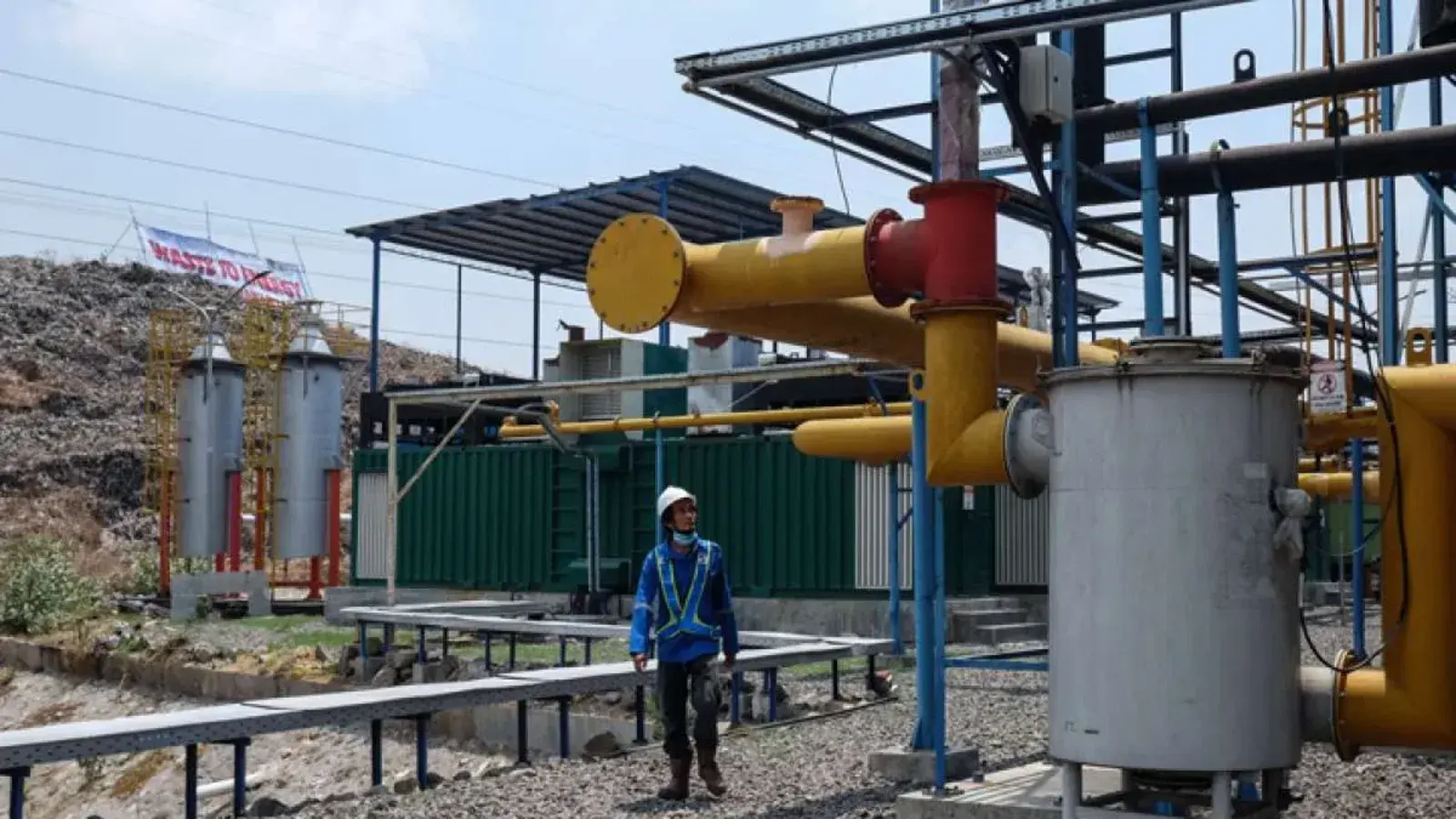
Groundbreaking on the TPPAS Legok Nangka waste-to-energy facility in Bandung Regency marks the start of a 41-month build expected to process over 2,000 tonnes of daily waste from six regions into 40.79 megawatts of power by 2029.
What happened
On Wednesday, 29 July 2026, Deputy Minister of Energy and Mineral Resources Yuliot Tanjung and West Java Governor Dedi Mulyadi presided over the groundbreaking of the TPPAS Legok Nangka waste-to-energy facility in Bandung Regency. The ceremony marks the formal start of construction on what officials describe as Indonesia's first regional waste-to-energy plant developed under a government-business cooperation scheme, known locally as KPBU, and designated a National Strategic Project.
The plant will be built and operated by PT Jabar Environmental Solution, a joint venture bringing together Japan's Sumitomo Corporation and Hitachi Zosen Corporation with PT Energia Prima Nusantara, an Astra Group renewable energy subsidiary under PT United Tractors Tbk. PT Penjaminan Infrastruktur Indonesia, the state infrastructure guarantee company, backs the financing structure.
Construction is expected to run approximately 41 months, with commercial operation targeted for the end of 2029. Deputy Minister Tanjung told reporters at the site that his ministry hopes the timeline can be compressed. "Kami mengharapkan pelaksanaan konstruksi dapat dilakukan percepatan sehingga PSEL Legok Nangka dapat beroperasi lebih awal," he said, expressing hope that construction can be accelerated so the plant can begin operating sooner than scheduled.
The numbers behind the project
The facility carries a total investment of roughly US$400 million, cited by multiple outlets as approximately Rp 7.2 trillion (one report converts the figure to Rp 6.69 trillion, a difference likely tied to the exchange rate used on the day of reporting). Once operational, it is designed to process 2,131 tonnes of municipal waste each day, a figure Liputan6 and other outlets round to 2,000 tonnes in summary coverage.
That throughput will generate 40.79 megawatts of electricity, enough to supply an estimated 40,000 households, which state utility PT PLN will purchase under the project's power arrangement. Officials project the plant will cut greenhouse gas emissions by approximately 311,874 tonnes of carbon dioxide equivalent per year, a figure some accounts round to roughly 311,000 tonnes. Construction itself is expected to generate around 1,500 jobs, with one report citing 1,565.
"PSEL Legok Nangka diharapkan dapat menjadi model pengembangan proyek pengolahan sampah menjadi energi yang dapat direplikasi di berbagai daerah," Deputy Minister Tanjung said, describing the plant as a model for waste-to-energy development that can be replicated across other regions of Indonesia.
A model years in the making
Legok Nangka has been under development for longer than most waste-to-energy projects reaching groundbreaking this year. The site drew preparation support from the Global Infrastructure Facility as early as 2019, including roughly US$1.1 million in early-stage funding coordinated with the International Finance Corporation and the Japan International Cooperation Agency. The Sumitomo-Energia Prima Nusantara-Hitachi Zosen consortium won the competitive tender to develop the site in 2023, and the parties signed formative agreements in Indramayu in June 2026, with financial close targeted for the end of that year.
Achmad Rizal Roesindrawan, Director of Business Development at PT Energia Prima Nusantara, said at an earlier stage of the project that the company intends to keep supporting the pace of renewable energy development in Indonesia and the reduction of greenhouse gas emissions nationally. Governor Mulyadi, addressing the ceremony, referenced the project's long lineage in West Java's planning, noting that the province has worked toward realizing this facility since the administration of a previous governor, Ahmad Heryawan.
Why it matters for Bandung Raya
Legok Nangka is designed to serve six jurisdictions across the Bandung Raya metropolitan area: Bandung City, Bandung Regency, West Bandung Regency, Cimahi City, Garut, and Sumedang. Together these areas have struggled with landfill sites approaching or exceeding capacity, a pressure point that has featured in West Java's waste planning for years. Governor Mulyadi has said the facility will reduce dependence on landfill sites that already face severe capacity limitations.
The project fits into a broader national push. Jakarta has set a target of ending open dumping at 343 of Indonesia's 550 disposal sites nationwide, and the central government has separately streamlined the regulatory approval process for waste-to-energy plants, replacing a multi-ministry sign-off chain with a simplified framework anchored in a 2025 presidential regulation. Legok Nangka, alongside comparable projects moving toward groundbreaking in Bali and elsewhere, represents one of the clearest tests of whether that streamlined pipeline can convert into built infrastructure on schedule.
What comes next
The immediate milestones to watch are financial close, which the consortium had targeted for the end of 2026 as part of the June signing, and the pace of construction against the 41-month timeline. Deputy Minister Tanjung has asked all parties, including central and regional government, PLN, the developer, financing institutions, and the public, to coordinate closely so obstacles are resolved jointly rather than allowed to compound into delay.
If the build proceeds on schedule, commercial operation in 2029 would give Bandung Raya a waste-to-energy facility processing a meaningful share of its daily municipal waste stream while supplying clean power to tens of thousands of households. The replicability that officials have emphasized, from Legok Nangka to future sites, will depend in part on how cleanly this first regional PPP project moves from groundbreaking to commissioning.
Sirkularium's view
For government and public institutions watching Indonesia's waste-to-energy pipeline, Legok Nangka offers a useful reference case precisely because its history is long and documented: early donor-backed feasibility work, a competitive tender, a multi-year path to financial close, and now construction. That sequence, while slower than headlines about groundbreaking ceremonies suggest, is a more realistic template for other regions than a compressed timeline would be.
The practical priorities for institutions considering similar projects are threefold. First, the guarantee structure matters: PT Penjaminan Infrastruktur Indonesia's role in backing the financing is a mechanism worth studying for regions seeking to de-risk waste-to-energy investment for private partners. Second, regional pooling, here across six jurisdictions in Bandung Raya, allows a single facility to reach the waste volume needed for financial viability, a lesson applicable to other multi-city metropolitan areas facing landfill constraints on their own. Third, the emphasis on accelerating construction should not come at the expense of the environmental and social safeguards that a 41-month build is meant to allow time for, including protections for waste pickers and communities near the current disposal sites the new facility is meant to relieve.
Sirkularium will continue to track financial close and construction progress at Legok Nangka as a benchmark for regional waste-to-energy financing structures elsewhere in Indonesia.
Sources
- Kompas.com, Proyek Pengolahan Sampah Jadi Listrik Rp 7,2 T di Bandung Dibangun
- Viva.co.id, Jadi Solusi Sampah Jabar dan Pembangkit Listrik 40 MW, Pembangunan TPPAS Legoknangka Dimulai
- Liputan6, PSEL Legok Nangka Mulai Dibangun, Olah 2.000 Ton Sampah
- Liputan6, Wamen ESDM Berharap Proyek Sampah Jadi Listrik Bandung Beroperasi Lebih Awal
- Ecobiz Asia, West Java, Sumitomo-Hitachi Zosen Consortium Advance Legok Nangka Waste-to-Energy Project
- United Tractors, Consortium Consisting of Sumitomo Corporation, PT Energia Prima Nusantara, Hitachi Zosen Forms Collaboration for the Development of Legok Nangka Waste-to-Energy Infrastructure Project