Palembang's Keramasan plant fires its first waste, and the city shows how supply readiness is built
By Sirkularium Editorial Team, 8 min read

The 1,000 tonne per day PSEL Keramasan waste to energy plant in Palembang carried out its first combustion on 23 September 2026 and received Coordinating Minister for Food Zulkifli Hasan on 25 September, with the city's three weeks of weighed, rerouted waste deliveries now a working model for other PSEL host cities.
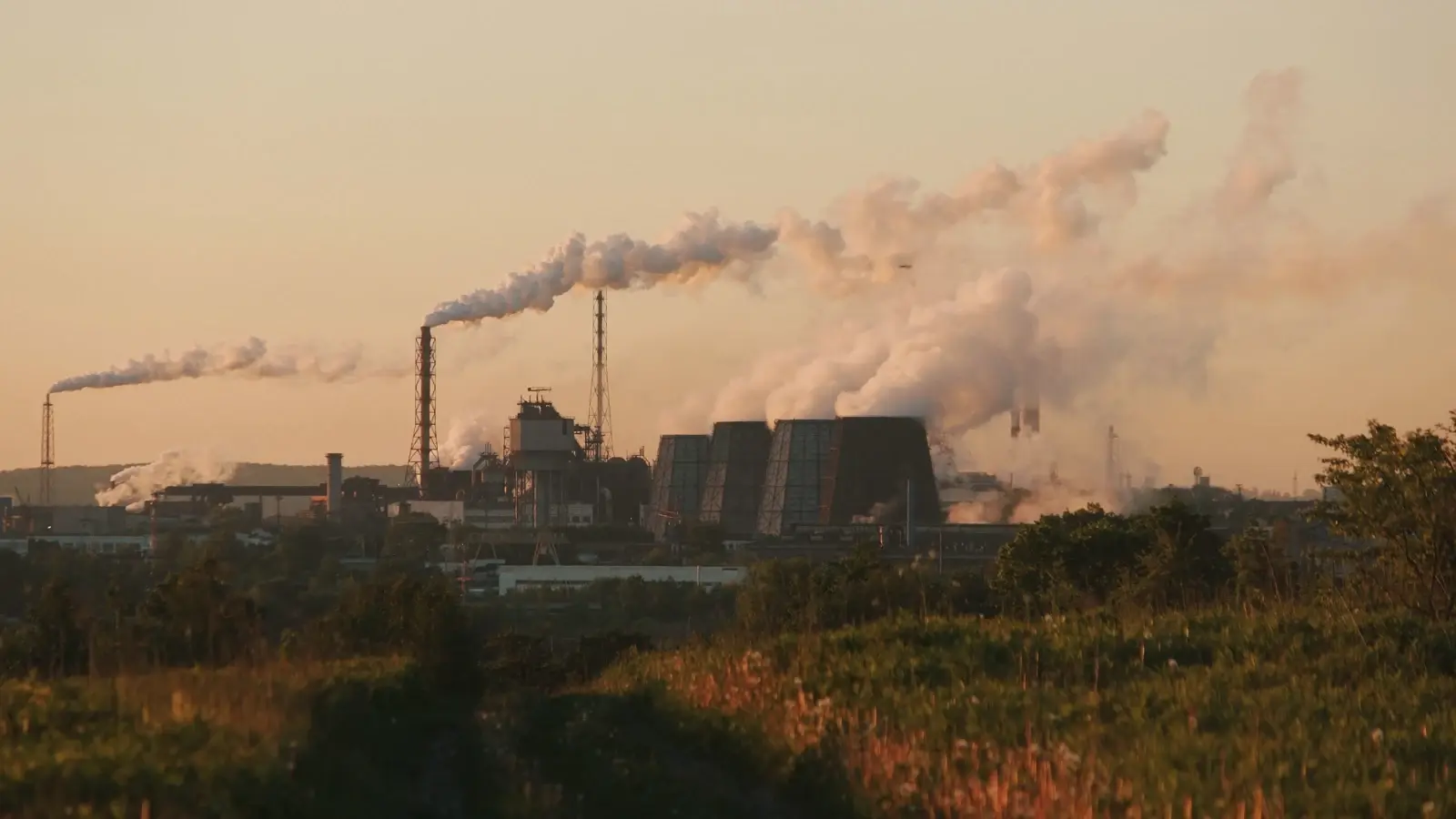
Palembang has moved its waste to energy plant from construction into commissioning. The PSEL Keramasan facility in Kertapati district carried out its first combustion of municipal waste at around 23:00 WIB on 23 September 2026. Two days later, on the afternoon of Friday 25 September, Coordinating Minister for Food Zulkifli Hasan inspected the plant with Mayor Ratu Dewa and officials from the city's agencies.
The plant is designed to process 1,000 tonnes of waste a day and generate around 20 megawatts of electricity. ANTARA and Koran Jakarta reported that its formal inauguration is scheduled for December 2026. For a national programme that has so far been measured mostly in signed agreements and groundbreakings, a plant actually burning waste and heading for inauguration is a meaningful milestone.
From groundbreaking to first fire
The first combustion is the point at which a waste to energy plant stops being a construction project and becomes an operating system. The furnace, boiler, turbine, flue gas treatment and monitoring equipment are brought up together for the first time, using real municipal waste rather than test materials.
The reports describe the core technology as a stoker moving grate combustion system, the most widely used design for mixed municipal waste worldwide. Waste is fed onto a sloping grate that moves it slowly through the furnace so it dries, ignites and burns out in stages. The plant's emission controls, as reported by Sumsel Pers and Suara Metropolitan, include semi dry deacidification to neutralise acid gases, activated carbon injection to capture dioxins and heavy metals, a bag filter for particulates, and a Continuous Emission Monitoring System (CEMS) that records stack emissions in real time.
ANTARA's photo coverage from 24 September showed the working parts of the process: the waste crane moving material into the combustion chamber, operators in the control room, and DLH trucks arriving from across the city.
The part that is easy to overlook: supply readiness
The most instructive element of the Palembang story is not the furnace but the work the city did upstream before the first fire.
From 1 September 2026, the Palembang City Environment Agency (DLH) began diverting part of the waste that had previously gone to TPA Sukawinatan, the city's landfill, to the Keramasan plant instead. Over the 23 days between 1 and 23 September, DLH managed the collection fleet's routing and set up weighing and recording of every delivery. Each truck is inspected and weighed before it unloads, and the data is kept so the city can monitor the quantity received and evaluate its supply arrangements.
Mayor Ratu Dewa framed this as preparation to guarantee feedstock. According to JPNN, he said the city government, through DLH, was making various preparations to ensure the availability of raw material in the form of waste to be processed at the plant. He also described the upstream system, from collection through supervision to tonnage recording, as a critical component of PSEL operations.
Ahmad Mustain, Head of DLH Palembang, put the principle clearly, as reported by Monpera:
"PSEL tidak hanya membutuhkan kesiapan fasilitas pengolahan, tetapi juga memerlukan sistem hulu yang kuat." A PSEL needs not only a ready processing facility but also a strong upstream system.
This matters because feedstock risk is one of the main reasons waste to energy plants underperform. A plant designed for 1,000 tonnes a day needs that quantity delivered reliably, every day, with records a developer, a lender and an electricity buyer can trust. Palembang generates around 1,260 tonnes of waste a day, according to figures published earlier in September, so the raw volume exists. What the city has demonstrated is the administrative and logistical work of turning that volume into a measured, dependable supply.
Why the timing is significant
Indonesia's accelerated PSEL programme aims to bring waste to energy capacity to a number of large cities over the next few years. Most of the public milestones so far have been agreements, partner selection and groundbreakings. Keramasan reaching first combustion gives the programme real operating experience to learn from.
Zulkifli Hasan's presence at the plant also reflects how the waste agenda now sits across several ministries. His coordinating portfolio includes the Ministry of Environment, and his inspection signals that the central government is following delivery at the plant level, not only at the policy level.
DLH Head Ahmad Mustain described the facility as part of a shift from the old collect, transport and dispose model toward integrated waste management that prioritises recovering value and energy. That language echoes the broader national direction, and at Keramasan it has become physical infrastructure.
What comes next before December
According to Ahmad Mustain, the next stages are refinement of the commissioning process, comprehensive system testing, evaluation of facility performance, and confirmation that all technical and environmental aspects comply with the applicable regulations. Only after that does the plant move to full operation.
Commissioning is a period for learning, and some adjustment is normal. The plant will be tuned for the actual calorific value and moisture of Palembang's waste, which in tropical cities tends to be high in organic content and water. Grate speed, air supply and auxiliary firing are typically adjusted over weeks to reach stable combustion and consistent power output. The emission controls will be verified against the monitoring data.
Three indicators will be worth following between now and December: the daily tonnage the plant actually receives and burns against its 1,000 tonne design, the stability of electricity output toward 20 MW, and the CEMS emissions record.
Sirkularium's view
For government and public institutions, Keramasan offers a practical lesson that is easy to miss amid the attention on technology and investment: supply readiness is built by local government, and it has to start before the plant is finished.
Palembang's approach can be adopted directly by other PSEL host cities. Divert part of the landfill stream to the plant several weeks before first combustion, so that routing and logistics are tested under real conditions. Weigh and record every delivery from day one, because that data becomes the basis for tipping fee payments, performance evaluation and trust with the operator. Assign clear responsibility within DLH for supply continuity. None of this requires new regulation. It requires coordination and discipline, and Palembang has shown it can be done within weeks.
There is also a second lesson in the numbers. A plant rated at 1,000 tonnes a day in a city producing about 1,260 tonnes means that household separation, waste banks and organic processing remain essential alongside the plant. Separated, drier feedstock also tends to burn more efficiently, so upstream programmes and the plant support each other.
Sirkularium suggests that the Palembang city government consider publishing a short monthly summary of the weighbridge data and CEMS readings through the commissioning period. Transparent operating data would strengthen public confidence in waste to energy, and would give other cities preparing their own PSEL a reference drawn from real Indonesian conditions.
What to watch next: the commissioning test results, the date of the December inauguration, and whether the tonnage records show the plant approaching its design throughput. If Keramasan reaches stable operation on schedule, it will give the national PSEL programme an operating reference point, and Palembang's supply preparation could become the template other cities follow.
Sources
- ANTARA Foto, Keramasan PSEL combustion trial ahead of its inauguration
- Koran Jakarta, Keramasan trial with 1,000 tonnes of waste processed into electricity
- Sumsel Pers, Palembang PSEL enters first combustion as waste supply is optimised
- Monpera, first combustion test inspected by the Coordinating Minister and the mayor
- Suara Metropolitan, Palembang PSEL begins burning waste and the next stages
- JPNN, Waste supply as the key to Palembang PSEL operations
- Figur News, Palembang daily waste generation