
A 30 year PLN power contract clears the way for Yogyakarta's waste to energy plant
By Sirkularium Editorial Team, 9 min read
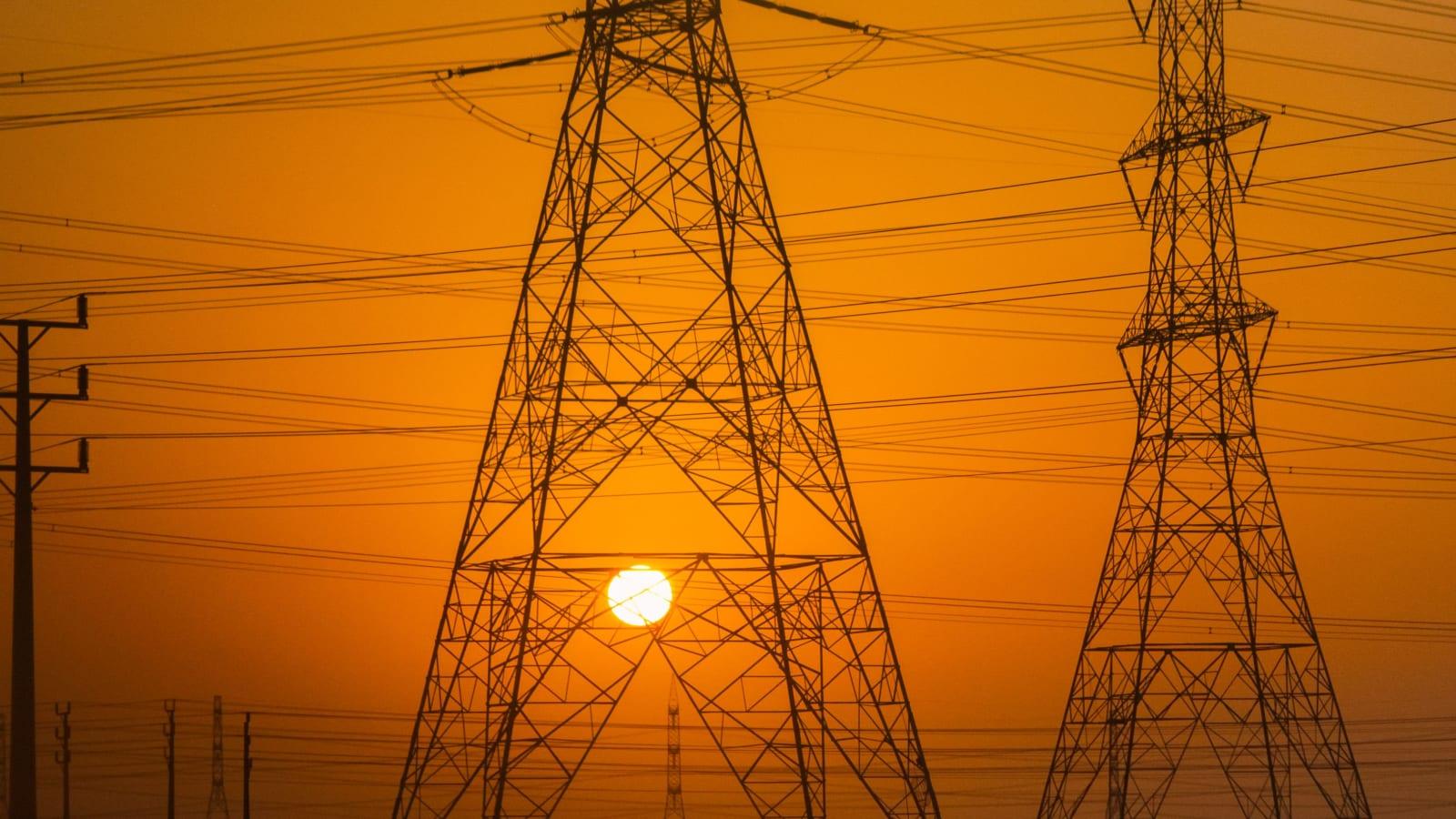
PLN is preparing a 30 year power purchase agreement to guarantee offtake for Indonesia's PSEL waste to energy programme, giving the Piyungan plant in Yogyakarta, designed to process 1,000 tonnes of waste a day, the financial certainty it needs before construction begins.
A guaranteed buyer clears the way for construction
For a waste to energy plant, the hardest financing question is rarely whether it can be built. It is whether, once built, someone will reliably buy the electricity it produces for long enough to repay the debt that built it. This week, Indonesia's state utility PT PLN moved to answer that question for the national Pengolahan Sampah Menjadi Energi Listrik programme, known as PSEL, by preparing a 30 year power purchase agreement that guarantees offtake for the electricity the plants generate.
"Kami memberikan jaminan kepada para mitra bahwa listrik yang dihasilkan akan diambil oleh PLN," said Suroso Isnandar, PLN's Director of Project Management and New Renewable Energy, in comments reported on 22 July 2026. He added that partners need not worry, because PLN's long term commitment has already been tested. For the consortiums now lining up to build PSEL plants across Indonesia, that assurance addresses the single largest risk on their financing checklist: revenue certainty over a horizon long enough to justify billions of rupiah in upfront capital.
Nowhere is that assurance more consequential than in Yogyakarta, where a waste to energy plant planned for the former Piyungan landfill site in Bantul Regency is moving from survey work toward a targeted construction start by the end of 2026, with commercial operation envisioned for the end of 2028.
Inside the Piyungan project: capacity, footprint, and cost
The Piyungan plant is designed to process 1,000 tonnes of municipal waste a day, drawn from Sleman Regency, Bantul Regency, and Yogyakarta city, the three jurisdictions that formerly relied on the Piyungan landfill before its closure forced the region to search for a permanent alternative. The facility is being developed on 5.7 hectares of land in Bawuran, Piyungan, by a consortium known as Cakra Energi Lestari, made up of PT Pertamina Power Indonesia, known as Pertamina NRE, alongside China's Tianjin TEDA and CITICC.
Estimated project investment stands at roughly Rp2 trillion, a figure cited by Harian Jogja and consistent with a broader benchmark offered by Chandra Wahyu Purnomo of Universitas Gadjah Mada's Faculty of Engineering, who put typical PSEL unit costs in the range of Rp2 trillion to Rp3 trillion. Under the offtake arrangement PLN is finalising, electricity from the plant would be purchased at 20 sen per kilowatt hour, with PLN buying the entire output.
Aris Prasena, head of the waste management division at the DIY Environmental and Forestry Service, framed the timeline in straightforward terms. "Harapannya dalam waktu dua tahun, pada akhir 2028 PSEL sudah dapat beroperasi," he said, expressing hope that the plant can be operating within two years, by the end of 2028. Kusno Wibowo, who leads the same provincial agency, said groundbreaking is hoped for late this year or early next: "Groundbreaking-nya harapannya di akhir tahun ini atau awal tahun depan."
"Kami memberikan jaminan kepada para mitra bahwa listrik yang dihasilkan akan diambil oleh PLN, para mitra tidak perlu khawatir, komitmen jangka panjang PLN sudah teruji."
What still has to happen before ground is broken
Encouraging as the timeline sounds, project teams on the ground describe a methodical sequence of steps still ahead rather than an imminent start. Bambang Purwadi Nugroho, head of Bantul's Environmental Service, said land preparation is targeted to begin in late August 2026, with construction expected to follow by the end of the year at the latest. "Diharapkan paling lambat akhir tahun 2026 pembangunan konstruksi PSEL sudah bisa dikerjakan," he said.
Before that construction start, the consortium and local government still need to complete community socialisation with residents near the Bawuran site, finalise a memorandum of understanding governing waste supply from the three participating jurisdictions, assess local workforce needs and recruitment planning, and complete the plant's detailed engineering design. The project also requires an additional 1.5 hectares for metal residue processing and will draw raw water from the Opak River, both practical details that the consortium is still working through alongside the technical design.
Site survey work at the Piyungan location, reported by ANTARA News Yogyakarta on 22 July 2026, marked the first visible step in this sequence, with the consortium and Bantul's environmental office jointly inspecting the proposed site before land preparation begins.
The bigger picture: Indonesia's national PSEL programme accelerates
Piyungan is one project within a national programme that has picked up considerable momentum in 2026 under Presidential Regulation 109/2025, which restructured the rules governing waste to energy development. Coordinating Minister for Food Affairs Zulkifli Hasan has said the government has streamlined the regulatory requirements facing PSEL developers from what were once hundreds of separate conditions down to three, a simplification aimed squarely at removing the bureaucratic friction that stalled the previous generation of waste to energy plants.
Environment Minister Jumhur Hidayat has also pointed to a climate finance dimension of the programme, estimating that emissions reductions of around 20 million tonnes of carbon dioxide equivalent tied to the national PSEL rollout could translate into carbon credit value of roughly Rp100 billion to Rp150 billion. Danantara Chief Investment Officer Pandu Sjahrir has described strong domestic and international investor interest in the programme, which PLN's long term offtake guarantee is designed to convert into signed financing.
For Yogyakarta specifically, the stakes are unusually direct. The province lost its only operating landfill when Piyungan closed, leaving Sleman, Bantul, and Yogyakarta city to manage waste through interim and often improvised arrangements while a permanent successor facility works its way through planning and construction. A functioning Piyungan waste to energy plant would not just add renewable generation capacity, it would restore the region's core waste disposal infrastructure on a modern, engineered basis.
Sirkularium's view
The Piyungan project illustrates a pattern worth watching across Indonesia's waste to energy pipeline: the technology and the capital are less often the constraint than the sequencing of land, permits, community agreement, and offtake certainty arriving in the right order. PLN's 30 year power purchase commitment addresses the offtake piece nationally, and its arrival in the same week as Piyungan's land preparation announcement is not a coincidence. It is the kind of alignment that turns a planning document into a construction schedule.
For provincial and district governments elsewhere in Indonesia still working through their own post open dumping transition, Piyungan offers a template worth studying closely: identify the specific jurisdictions the plant will serve, lock down land and water access early, and treat the utility offtake agreement as a precondition for breaking ground rather than an afterthought to be resolved once construction is already underway. Financing institutions evaluating PSEL projects should likewise treat PLN's long term guarantee as a meaningful de-risking event, one that should be reflected in financing terms as the programme's next wave of projects reaches the same stage Piyungan has now reached.
What to watch next is whether the administrative steps Bambang Purwadi Nugroho outlined, socialisation, the waste supply memorandum, workforce planning, and detailed engineering design, are completed on the timeline the DIY government has set. If they are, Piyungan will be one of the clearer proof points yet that Indonesia's streamlined PSEL framework can move a project from survey to groundbreaking within a single year.
Sources
- Harian Jogja, PSEL Piyungan Beroperasi Akhir 2028, Investasi Capai Rp2 Triliun
- Harian Jogja, PSEL Piyungan Ditargetkan Mulai Dibangun Akhir 2026
- JPNN Jogja, Proyek PSEL TPA Piyungan Dimulai, Konstruksi Dibangun Akhir 2026
- ANTARA News Yogyakarta, Konsorsium PSEL mulai melakukan survei calon lokasi pembangunan di TPA Piyungan
- Harian Jogja, PLN Siapkan PPA 30 Tahun untuk Serap Listrik Proyek PSEL
- ANTARA News, PLN siapkan kontrak jual beli listrik 30 tahun untuk akselerasi PSEL