TBS Energi Utama puts a dollar figure on the cost of staying in coal
By Sirkularium Editorial Team, 8 min read
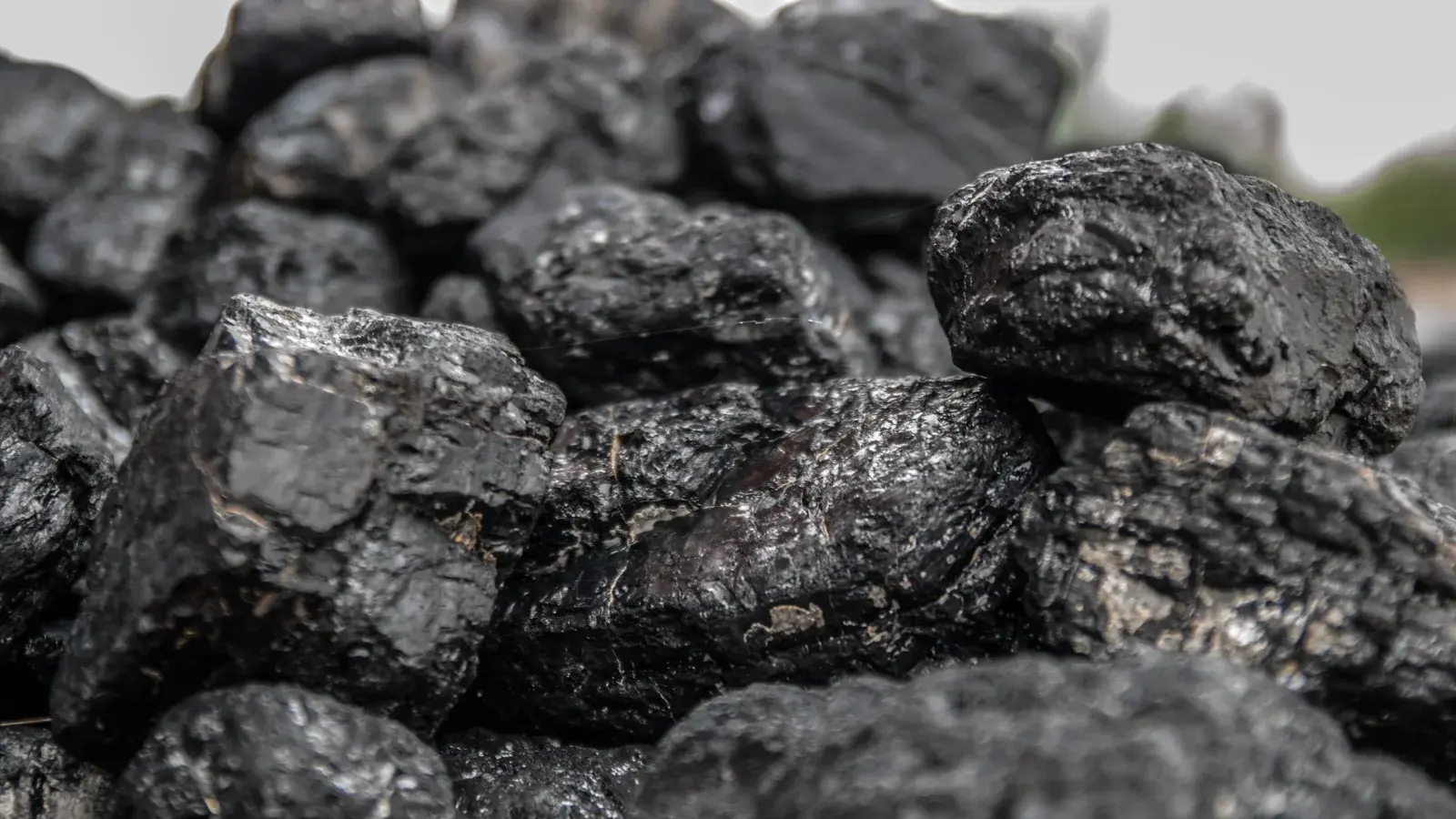
A Task Force on Climate related Financial Disclosures analysis presented at Jakarta's Lestari Summit shows Indonesian energy company TBS Energi Utama could lose USD 3.8 billion by 2050 if it remains dependent on coal, reinforcing a transition already under way toward waste management, renewable power and electric mobility.
A number from a summit stage, not a slogan
At the Lestari Summit 2026, held at the Raffles Hotel in Jakarta on July 22, 2026, Triana Krisandini, Senior Vice President Sustainability at PT TBS Energi Utama Tbk, put a figure on a question that Indonesian coal companies have mostly answered with ambition statements rather than numbers: what does staying in coal actually cost. Citing a third party analysis conducted under the Task Force on Climate related Financial Disclosures framework, she told the forum that continued dependence on coal could expose the company to losses of approximately USD 3.8 billion by 2050.
The figure was not presented as a warning from outside the company but as an internal planning input. TBS, listed on the Indonesia Stock Exchange under the ticker TOBA and known until 2020 as Toba Bara Sejahtra, has spent the past several years converting that number into a strategy rather than a talking point. The distinction matters for how government and financial audiences should read the disclosure: this is a company using climate risk accounting to justify capital allocation, which is a different and more durable signal than a sustainability pledge made for reputational purposes.
"Climate risk is now real financial risk for the company balance sheet, not just reputational risk."
Why coal became a balance sheet problem
TBS's shift did not begin with the Lestari Summit disclosure. The company launched a Climate Transition Plan (CTP) in November 2025, described by its own leadership as an evolution of an internal roadmap first set out in 2022 under the name TBS2030. The clearest single action inside that plan was the 2024 divestment of two coal fired power plant (PLTU) subsidiaries. According to reporting on the transaction, those two assets had accounted for approximately 86 percent of the company's total operational Scope 1 and Scope 2 emissions in the year before the sale, meaning a single divestment decision removed the large majority of the company's direct carbon footprint in one step rather than through years of incremental efficiency gains.
The company has paired that divestment with a firm end date for its remaining fossil business: coal mining operations are scheduled to cease entirely by 2027, three years ahead of the 2030 carbon neutrality target the CTP sets for the group as a whole. TBS has also had its emissions reporting given third party limited assurance under ISO 14064, and says its transition planning follows the European Sustainability Reporting Standards' E1 climate disclosure guidance alongside Indonesian Financial Services Authority (OJK) requirements, a combination that signals the disclosure is built for external scrutiny rather than internal use only.
From under one percent to two thirds of revenue
The clearest evidence that this is an operating shift rather than a reporting exercise is in the revenue mix itself. As recently as 2022, non-coal business lines contributed less than 1 percent of TBS's total revenue. By the first quarter of 2024, that share had risen to approximately 65 percent, and the company's stated target is for non-coal activity to supply nearly 80 percent of revenue by 2030. Chief Financial Officer Juli Oktarina has described the coal share of the portfolio as still roughly half in late 2025, a figure that will need to keep falling quickly for the 2027 mining cessation date to be met without a gap in the balance sheet.
Where the new revenue is coming from
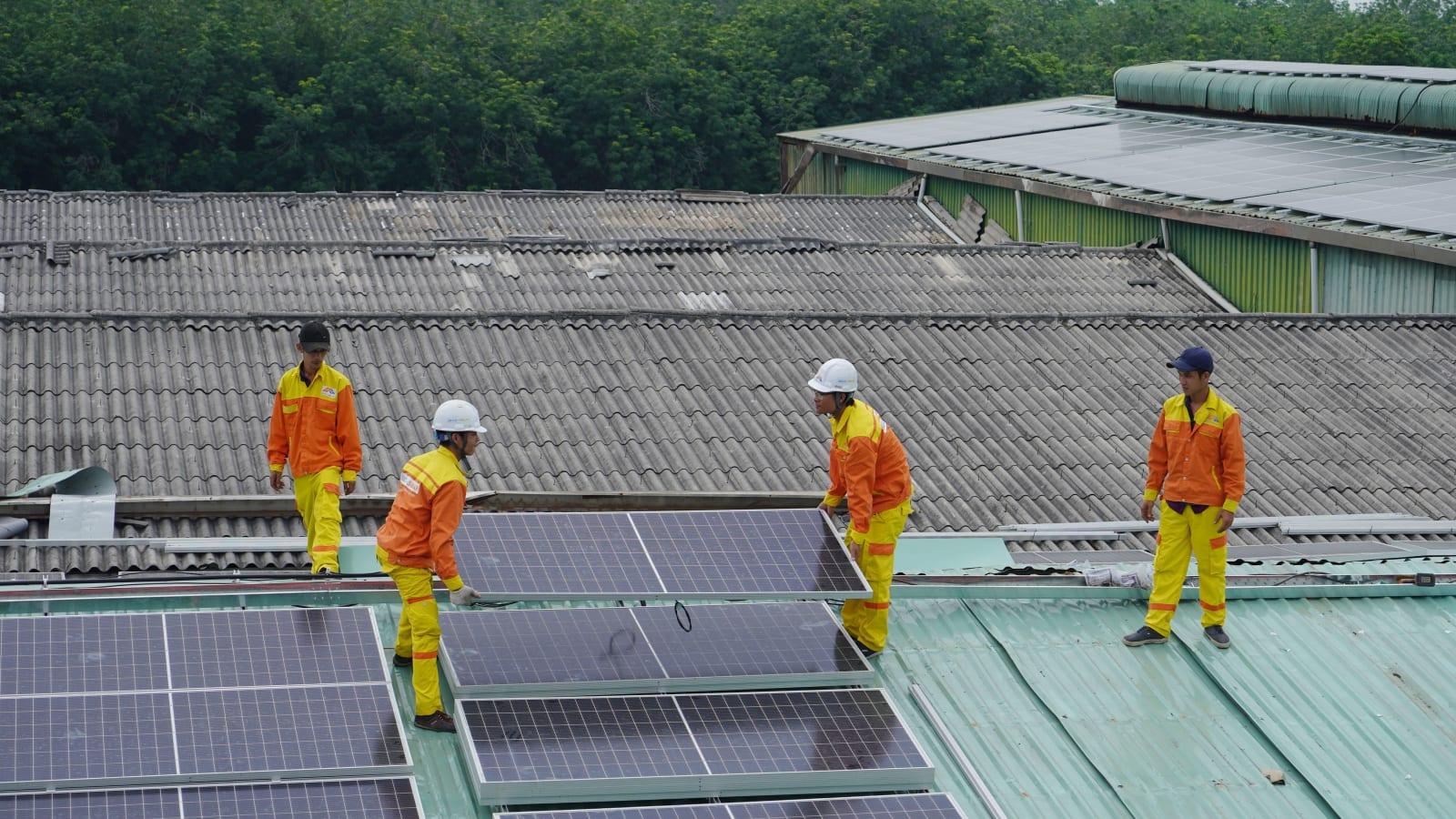
TBS has organized its non-coal growth around three business lines. The largest by volume is waste management, built through acquisitions including AMES, ARAH and SembEnviro, rebranded as CORA Environment, which together process more than 1 million tons of waste annually. The second is renewable power generation, anchored by a 2 by 3 megawatt micro hydro plant in Lampung that became operational in January 2025 and a 46 megawatt peak floating solar project at Tembesi in Batam, targeted for completion around mid-2026. The third is electric mobility, run through Electrum, a joint venture with GoTo, which had grown to more than 7,500 electric motorcycles and over 360 battery swap stations by April 2026, and which company disclosures around the July Lestari Summit put at over 13,500 units in operation and a cumulative 240 million kilometers traveled, a pace of fleet growth that outstrips most electric two wheeler operators in Southeast Asia.
Chief Executive Officer Dicky Yordan has framed the three pillar strategy as an economic proposition rather than a compliance exercise, telling reporters the company is "strengthening synergy across business units, and delivering green solutions that create economic value along with social benefit for communities."
Financing the exit
Coal divestment and diversification of this scale require financing partners willing to underwrite transition risk, and TBS has documented at least two such arrangements around the CTP. Bank DBS Indonesia has facilitated a USD 15 million blended finance facility supporting Electrum, described in company communications as Indonesia's first blended co-financing arrangement structured specifically for sustainable transportation. Separately, reporting on the Lestari Summit disclosure referenced Asian Development Bank blended financing tied to the electric vehicle business following independent verification of the Climate Transition Plan. Sirkularium was unable to confirm from available sources whether these are two distinct facilities or overlapping references to the same financing structure, and notes the discrepancy here rather than resolving it by assumption. DBS Director of Institutional Banking Group Anthonius Sehonamin said the bank is "working actively to formulate a decarbonization roadmap aligned with TBS's business strategy," while Oktarina called the CTP "a genuine commitment and strategic guide toward credible decarbonization."
What this means for government and public institutions
For Indonesian policymakers working on industrial decarbonization, the TBS case offers something more useful than a pledge: a documented, TCFD anchored calculation showing why a private energy company chose to exit coal ahead of regulatory pressure, paired with dated milestones (2027 mining cessation, 2030 carbon neutrality) and named financing partners. That combination gives regulators and state financial institutions a template for the kind of disclosure quality that makes blended finance and transition bonds easier to structure and easier to defend to auditors and multilateral lenders.
The items worth watching are execution against dates rather than the strategy itself: whether the Tembesi floating solar project reaches its mid-2026 completion target, whether coal mining volumes decline on a path consistent with a 2027 cessation, and whether the non-coal revenue share continues its climb from 65 percent toward the 80 percent target without a financing gap opening in the interim. A company voluntarily quantifying the cost of inaction in TCFD terms, and then backing that number with divestments, dated targets and named lenders, is precisely the kind of private sector signal that can support government financing frameworks for the broader energy transition, provided the milestones are tracked rather than taken on faith.
TBS Energi Utama's revenue mix moving away from coal
Values in % of revenue from non-coal business