
President Prabowo enlists the armed forces and a fuel-free incinerator in a national push against waste
By Sirkularium Editorial Team, 8 min read
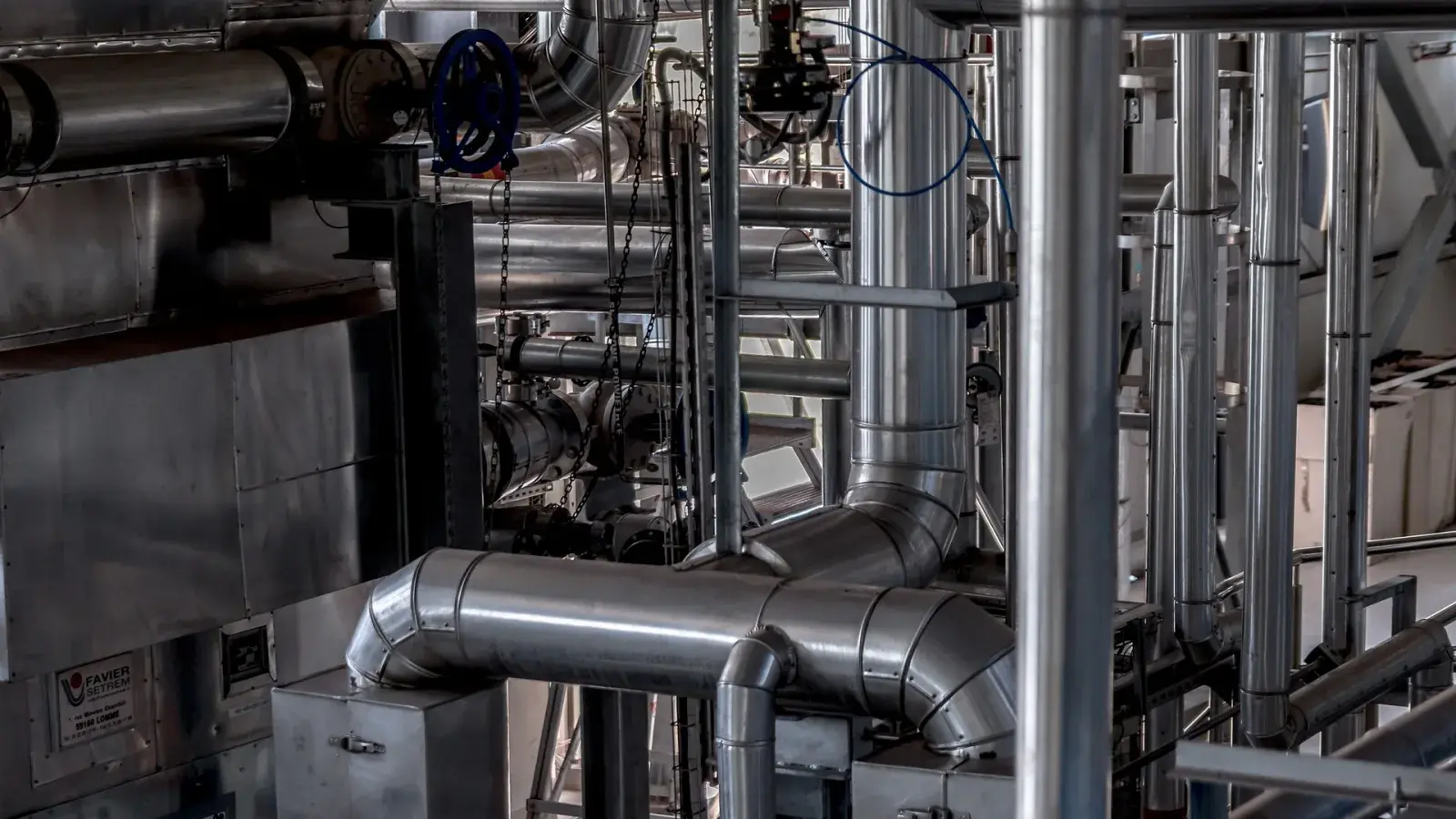
Following a 17 July 2026 inspection of the MOTAH waste processing machine at an air base in Malang, President Prabowo Subianto directed the TNI, police, ministries and regional governments to take an active role in national waste management, and the TNI commander confirmed the armed forces are ready to help deploy the technology further.
A presidential inspection becomes a national directive
On 17 July 2026, President Prabowo Subianto visited Lanud Abdulrachman Saleh, an air base in Malang, East Java, to inspect a domestically developed waste incinerator known as MOTAH, short for Mesin Olah Runtah. The visit, which took place alongside a nationwide TNI harvest event spanning 43 locations, was reported by Kompas and Liputan6. TNI personnel demonstrated the machine to the president, explaining that it processes both wet and dry waste without requiring fuel or grid electricity, a feature developed within the Indonesian Air Force's own technology and hilirisasi, or downstream value-addition, program.
Five days later, on 22 July 2026, the follow-through arrived. TNI Commander General Agus Subiyanto confirmed that the president had instructed the armed forces, the national police, relevant ministries, and regional governments to take a direct, active role in handling waste nationwide, according to Okezone, JPNN, and Republika. General Subiyanto framed the instruction as consistent with a broader presidential message he described as a declaration of war on waste, aimed at what officials are calling a clean Indonesia by 2029.
"Langkah ini menyelaraskan instruksi langsung Presiden Prabowo Subianto yang menyatakan perang terhadap sampah demi mencapai target Indonesia bersih sebelum tahun 2029," General Agus Subiyanto said, tying the TNI's mobilization directly to the president's clean Indonesia target.
What MOTAH does and how it works
MOTAH is an incinerator system engineered to run independently of external power or fuel inputs, a design choice that matters in the many parts of Indonesia where landfill sites or waste hotspots sit far from reliable electricity or fuel supply. According to Republika and JPNN, a single unit processes up to one tonne of waste per hour, with combustion temperatures inside the chamber reaching 1,000 degrees Celsius, hot enough to fully break down both wet organic material and dry residual waste.
The system is designed to leave a usable output rather than simple ash for disposal. Residual ash converts into raw material for bricks and paving blocks, while organic residue becomes planting media, according to multiple outlets covering the technology. Republika and JPNN report that MOTAH already meets the Ministry of Environment's emission standards, a detail that matters for any incineration technology being scaled toward national deployment, since emissions compliance is typically the first question regulators and communities raise about burn-based waste treatment.
From a single air base to 64 regencies and cities
The Malang demonstration was not the technology's debut. Okezone, JPNN, and Republika all report that MOTAH-based integrated waste processing facilities are already operating in 64 regencies and cities across Indonesia, with combined facility capacity reaching up to 100 tonnes of waste per day at the integrated sites, a considerably larger figure than the one tonne per hour rate of an individual unit, reflecting deployments that combine multiple MOTAH units at a single location. Local government adoption of the technology has been underway for some time outside the national spotlight. Regional outlets in Central Java previously reported that Kabupaten Pemalang deployed a MOTAH-25 unit to respond to a localized waste emergency, using the machine as a fast, mobile-capacity fix while longer-term infrastructure was arranged.
That existing footprint is what gives the president's 22 July directive practical weight. Rather than introducing an unproven technology, the instruction to the TNI, police, ministries, and regional governments builds on a system already running in roughly one in eight of Indonesia's more than 500 regencies and cities, with a defined role for the armed forces in extending that reach.
Why the military angle matters for implementation
Waste collection and processing in Indonesia has historically depended on municipal budgets and capacity that vary widely between wealthier cities and smaller, rural regencies. Involving the TNI changes the logistics calculus in two concrete ways. First, the armed forces already maintain nationwide logistics, personnel, and engineering capacity that can be redirected to transport, install, and operate MOTAH units in locations where local governments lack the equipment or trained staff to do so on their own. Second, the TNI Air Force's role in originally developing the technology means the institution most positioned to scale it now also has direct operational responsibility for the rollout.
Liputan6 reported that State Secretary Prasetyo Hadi, who accompanied the president at the Malang event, also detailed the TNI's parallel role in the national food security program, including 6.26 million hectares of rice cultivation managed by the Army between January and June 2026, yielding roughly 19.2 million tonnes of rice, about 55.24 percent of the 2026 national production target. The waste and food security initiatives were presented together, both framed as part of the TNI's expanded civilian support mandate under the current administration.
Sirkularium's view for government and public institutions
For provincial and district governments still working out how to meet Indonesia's national deadline to end open dumping, the MOTAH rollout offers a template worth studying closely, not for the technology alone but for the coordination model behind it. A fuel-free, electricity-free processing unit is well suited to locations where grid access or diesel supply has been the binding constraint on waste infrastructure, and the 64 regencies and cities already running integrated facilities represent a meaningful base of implementation experience that other local governments can draw lessons from before requesting their own deployment.
The involvement of the TNI as an operating partner, rather than solely a hardware supplier, is the detail regional governments should track most closely in the months ahead. Waste management plans that pair a locally appropriate technology with an institution capable of nationwide logistics and installation address two constraints at once: the capital cost of equipment and the operational capacity to run it. As the 2029 clean Indonesia target approaches, regencies and cities without an existing MOTAH facility have a clear channel, through their provincial coordination with the TNI and the Ministry of Environment, to request the same combination of technology and institutional support that made the first 64 deployments possible.
There is also a financing lesson embedded in the design of MOTAH itself. A processing unit that needs no fuel and no grid connection removes two recurring line items, energy cost and energy access, from a regency's long term operating budget for waste treatment. For smaller or fiscally constrained local governments, that operating economics case can matter as much as the upfront capital outlay when a proposal for new waste infrastructure goes before a regional budget committee. Pairing the emission compliance already confirmed by the Ministry of Environment with a lower recurring cost profile gives provincial planners a stronger basis for building MOTAH into multi year waste management roadmaps rather than treating it as a one off emergency response tool, which is how some regencies, including Pemalang in Central Java, first encountered the technology.
Sirkularium will be watching how the TNI structures its expanded role over the coming months, particularly whether the armed forces take on installation and training responsibilities, ongoing operation and maintenance, or both, since that division of labor will determine how quickly the remaining regencies and cities outside the current 64 can realistically expect a deployment of their own.
Sources
- Kompas, Prabowo Cek Mesin Pemusnah Sampah Sebelum Panen Raya Program TNI
- Liputan6, Prabowo Pimpin Panen Raya TNI Serentak di 43 Lokasi
- Okezone, Panglima TNI Siap Bantu Penanganan Sampah Sesuai Perintah Presiden
- JPNN, Jalankan Instruksi Presiden, Panglima TNI Siap Bantu Penanganan Masalah Sampah
- Republika, Perintah Presiden, Panglima TNI Siap Bantu Penanganan Sampah
- EGINDO, Prabowo Deklarasi Perang Lawan Sampah Menuju 2029