
Environment Ministry sets a 2027 deadline for West Sumatra to resolve its waste crisis
By Sirkularium Editorial Team, 8 min read
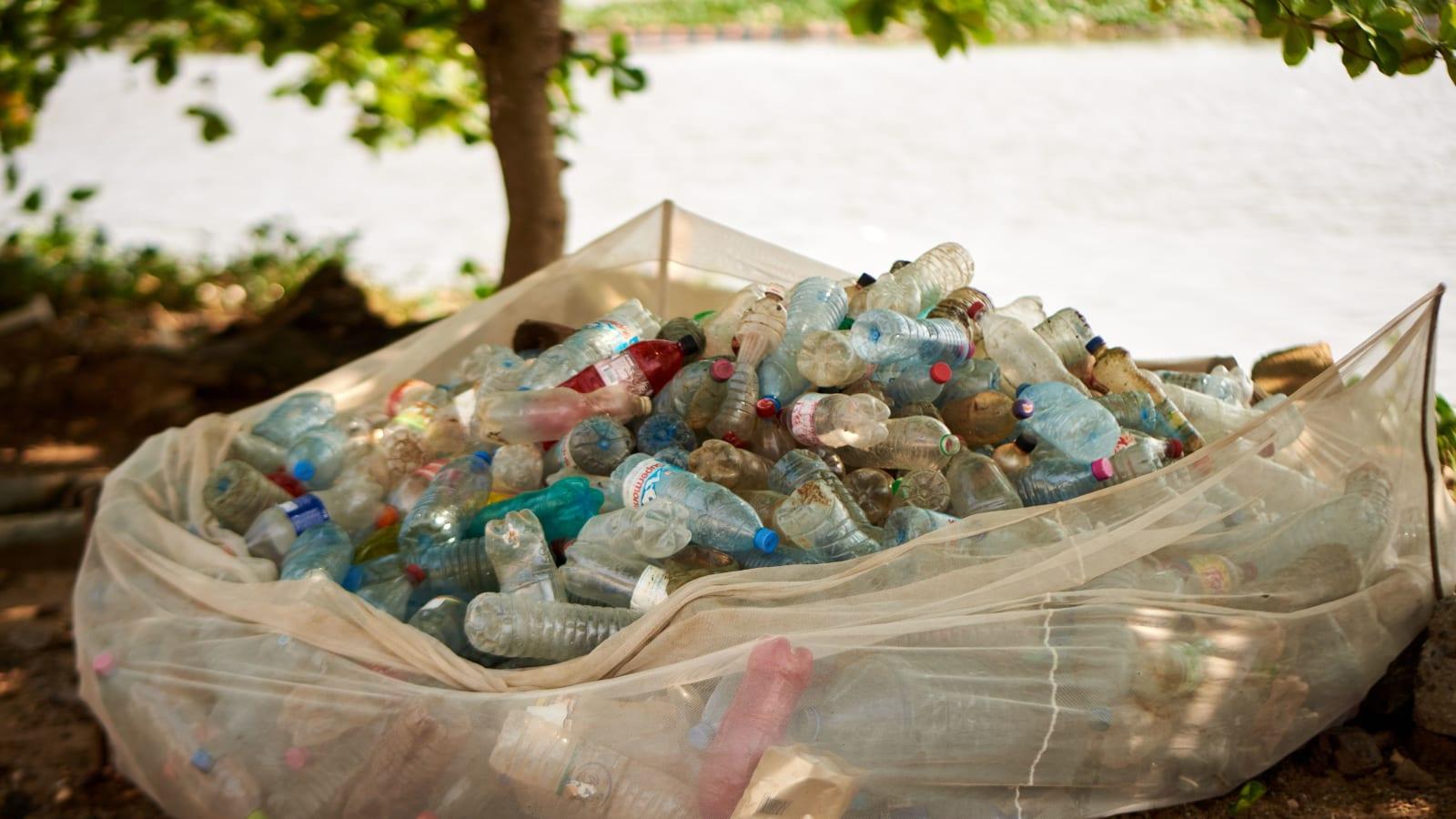
At a coordination meeting in Padang Pariaman on 14 July 2026, Environment Minister Moh Jumhur Hidayat asked West Sumatra's governor and every district head to complete a full, source to disposal overhaul of the province's waste system by the end of 2027, two years ahead of Indonesia's national target.
A firm date for a chronic problem
On 14 July 2026, Indonesia's Environment Minister Moh Jumhur Hidayat travelled to Padang Pariaman to sit down with West Sumatra's governor and the heads of every district and city in the province. He left with a number attached to a promise regional governments have heard for years without a fixed date: waste management in West Sumatra, from household sorting to final disposal, should be substantially resolved by the end of 2027.
That is two years ahead of the 2029 horizon the national government has set for the country as a whole. It reflects a broader pattern this year of the ministry pairing national targets with province-specific deadlines, following similar accelerated timelines already in motion for Jakarta and Bali. West Sumatra's Governor Mahyeldi Ansharullah welcomed the earlier date, telling the meeting that waste remains the province's most stubborn development challenge and that the moment called for shared, swift action across every level of government.
Padang Pariaman's daily tonnage, multiplied across a province
The meeting's host district put a concrete number on the table. Padang Pariaman Regent John Kenedy Azis reported that his district alone generates approximately 298.91 tonnes of waste every day, a volume his administration is struggling to keep up with given equipment shortages, including too few garbage trucks and excavators, and budget pressure from recent cuts to regional transfers. Flooding and landslides earlier this year compounded the strain on his district's collection and disposal capacity.
Multiplied across West Sumatra's roughly nineteen districts and cities, the tonnage picture illustrates why the province needed more than encouragement from Jakarta. Nationally, the government has said close to 70 percent of Indonesia's final disposal sites, known as TPA, still operate as open dumps rather than controlled or sanitary landfills, a practice the ministry has repeatedly linked to methane buildup, fires, and groundwater contamination at sites elsewhere in the country this year.
What the roadmap actually asks districts to do
Rather than treat the deadline as a call for more landfill capacity alone, the ministry framed the West Sumatra roadmap around five components: reducing waste at the source through household behaviour change, strengthening the network of community waste banks, adopting modern processing technology suited to each district's volume and budget, ensuring every final disposal site meets environmental operating standards, and mitigating fire risk at existing sites ahead of the dry season.
"Minimal akhir tahun 2027 urusan sampah harus sudah selesai semua," Minister Jumhur Hidayat told the coordination meeting, meaning that at a minimum, every outstanding waste matter in the province should be fully resolved by the end of 2027.
District governments used the same meeting to formally request the ministry's support in turning that framework into a funded plan. The minister said the ministry was in the midst of a budget revision and hoped to confirm allocations to the districts within a month, describing waste management as a national problem requiring serious, coordinated intervention rather than piecemeal local fixes.
The budget line many districts have not cleared
One recurring theme from the meeting was budget discipline at the local level. The ministry has asked regional governments to commit a minimum of 2 percent of their regional budget, the APBD, specifically to waste management, a threshold officials at the meeting acknowledged many districts in the province have yet to reach. Padang Pariaman's own account of underinvestment, thin equipment fleets and services stretched by unrelated disaster response, was offered as an example of what happens when that budget floor is missed.
The province has also produced a practical handbook, titled "101 Cara Penanggulangan Sampah" or 101 Ways to Handle Waste, intended to give district officials and communities a shared reference for source reduction and sorting practices as the roadmap rolls out.
Borrowing lessons from Jakarta, Bali, and West Nusa Tenggara
The ministry pointed West Sumatra's officials toward collaboration models it considers proven elsewhere: Jakarta's push toward controlled landfill operation at Bantargebang, Bali's waste-to-energy rollout beginning in Denpasar, and West Nusa Tenggara's district-level waste bank networks. The intent, officials said, is not to copy those models wholesale but to adapt whichever combination of source reduction, waste banks, and processing technology fits each district's waste volume and financial capacity, rather than defaulting to landfill expansion as the only lever available to local governments.
Why a rural, dispersed province is a harder test than Jakarta or Bali
Jakarta and Bali, Indonesia's two furthest-along waste reform cases so far, share a trait that makes reform logistically simpler: waste volumes are concentrated in a handful of large, well-resourced municipal governments. West Sumatra's roughly nineteen districts and cities look different. Waste generation is spread across smaller, often rural local governments with far thinner administrative capacity than DKI Jakarta or Denpasar, and several, including Padang Pariaman, are simultaneously managing disaster recovery from flooding and landslides with the same constrained budgets.
That combination is precisely why officials at the meeting framed West Sumatra as a test of whether the ministry's roadmap approach travels beyond the country's wealthiest jurisdictions. A model built around waste banks, source separation, and right-sized processing technology, rather than large centralised infrastructure, is arguably a better fit for a province like this than a single flagship facility would be. Whether that lighter-footprint model can still hit a firm 2027 deadline, with less capital and fewer engineers per tonne of waste than Jakarta or Bali can bring to bear, is the open question the roadmap now has to answer.
Sirkularium's view
A dated, publicly stated commitment from a national minister, made at a meeting with every relevant local official in the room, is a meaningfully stronger signal than a general policy aspiration. It gives West Sumatra's district heads a fixed point to plan budgets and procurement against, and it gives the ministry a concrete province-level test of whether its accelerated-timeline approach, already applied to Jakarta and Bali, can scale to a province with more dispersed, rural waste generation and thinner local budgets.
For government and public institutions watching this rollout, the practical signal to track is less the 2027 date itself and more whether the promised ministry budget allocation actually reaches district governments within the stated month, and whether districts below the 2 percent APBD threshold move to close that gap. Financing follow-through, not the roadmap document, will determine whether Padang Pariaman's 298.91 daily tonnes, and the rest of the province's waste, actually gets managed on the new timeline rather than the old one.
For institutions elsewhere in Sumatra and in Eastern Indonesia, where district-level capacity constraints look similar, West Sumatra's roadmap is worth tracking as a template in progress rather than a finished model. If the province can turn a ministerial deadline into funded procurement and completed sorting infrastructure within eighteen months, it offers other rural provinces a more realistic reference point than Jakarta's budget or Bali's tourism-driven investment case ever could.
Sources
- Antara News, Menteri LH minta persoalan sampah di Sumbar selesai pada 2027
- Antara News, Menteri LH terima permohonan bantuan penanganan sampah di Sumbar
- Bisnis.com Sumatra, Pemprov Sumbar minta dukungan KLH atasi persoalan pengelolaan sampah
- Republika ESG Now, Menteri LH targetkan permasalahan sampah Sumbar tuntas 2027
- RRI, Menteri LH targetkan krisis sampah Sumbar tuntas pada 2027
- Liputan6, Permasalahan sampah dari hulu ke hilir diharap selesai akhir 2027
- Pasbana, KLH dan Pemprov Sumbar susun roadmap pengelolaan sampah, target tuntas sebelum 2029