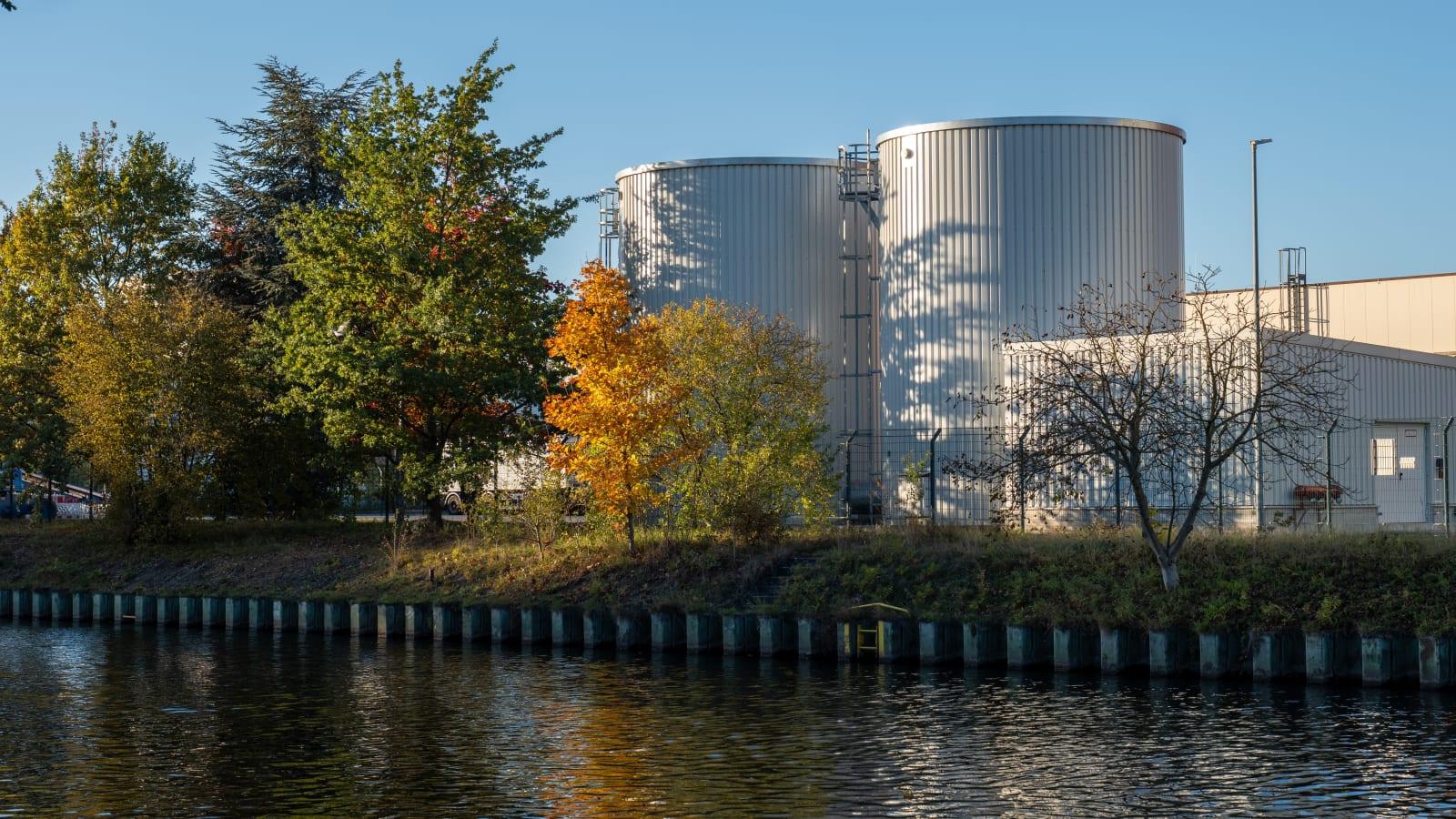
A Cikarang industrial estate extends its net zero partnership as tenant rooftop solar reaches 14.5 megawatts
By Sirkularium Editorial Team, 9 min read
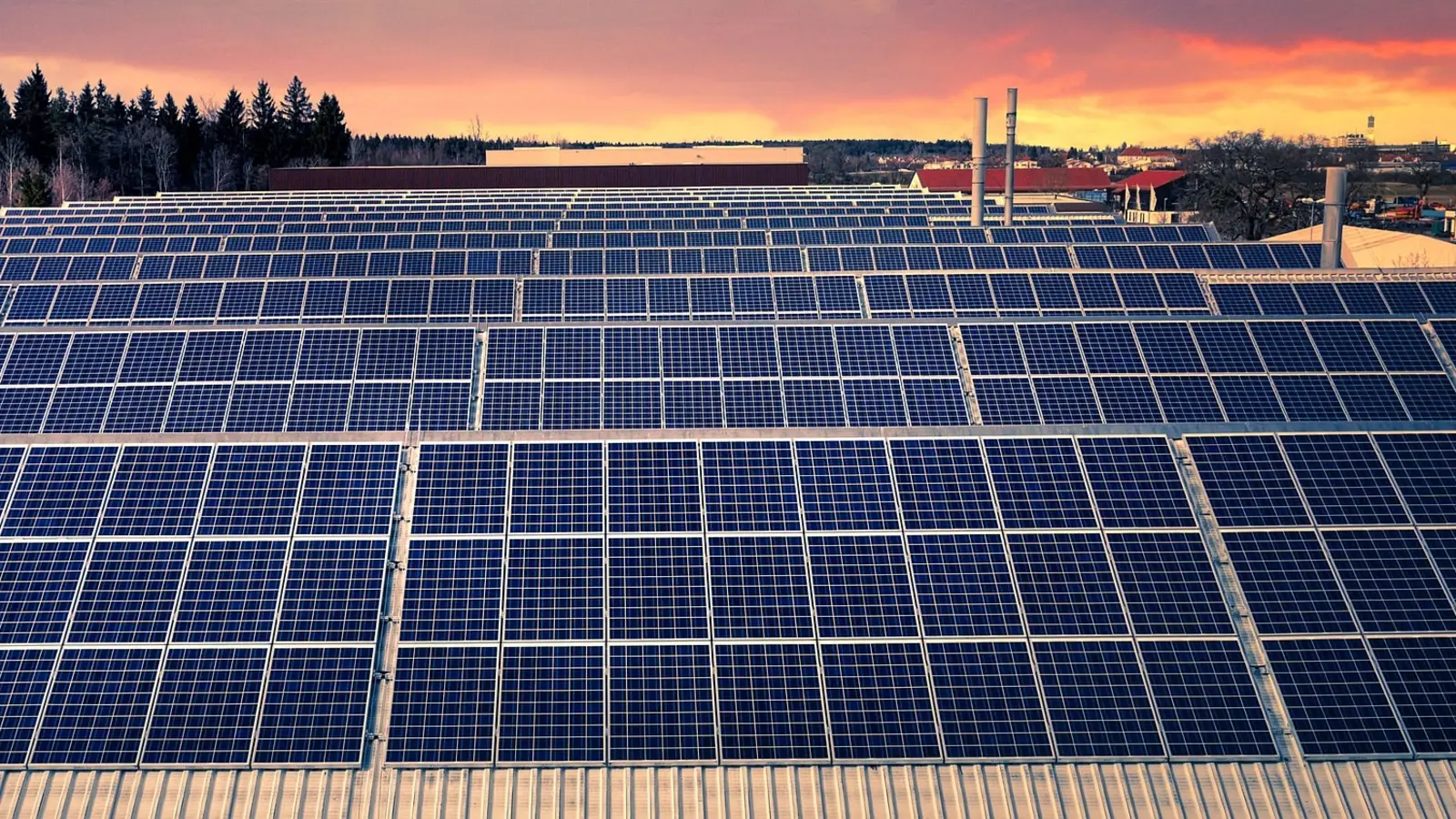
Pertamina and Jababeka Infrastruktur renewed their net zero industrial estate collaboration at a seminar in Cikarang on 18 September 2026. The figure that gives the announcement weight is the count of tenants who have already acted: 23 companies with 14.5 MWp of rooftop solar, up from eight tenants and roughly 3.2 MWp when the programme was launched in January 2023.
An agreement renewed in Cikarang, and the number underneath it
On Friday 18 September 2026, at the Java Palace Hotel in Jababeka City, Cikarang, Bekasi Regency, Pertamina and Jababeka Infrastruktur held a seminar on energy resilience and sustainability under the heading of a net zero industrial estate. The session was convened with the Jababeka Net Zero Industrial Cluster Community, and it ended with both parties agreeing to extend a collaboration that has now been running for more than three years.
Agung Wicaksono, Director of Business Transformation and Sustainability at PT Pertamina (Persero), described the commitment in terms of continuity rather than launch, saying the focus remains the development of environmentally friendly industry and the supply of green energy inside the Jababeka estate. Didik Purbadi, Chief Executive Director of Jababeka Infrastruktur, put the purpose in operational terms.
The objective of strengthening the collaboration is to help companies in our industrial zone reduce carbon emissions and create a cleaner, greener working environment.
Announcements of this kind are common. What makes this one worth reading closely is that it arrives with an adoption count attached, and the count has moved.
Rooftop solar is the visible layer, and it has compounded
As of September 2026, 23 companies operating inside the Jababeka industrial estate have installed rooftop solar, with a combined capacity of 14.5 MWp. When the Ministry of Energy and Mineral Resources visited the estate in January 2023 to mark the start of the programme, eight tenants were generating from rooftop arrays. Reporting at the time put that installed base at just over 3.2 MWp, while the ministry's own account recorded 3.5 MWp. The small gap between the two figures is worth flagging rather than smoothing over, but it does not change the direction. The tenant base has roughly tripled and installed capacity has more than quadrupled in three and a half years.
Individual tenants show the same pattern at a smaller scale. Astemo began with 1.2 MWp three years ago and now operates more than 2 MWp on its own roofs. Unilever has moved into biomethane at its facility in the estate.
The anchor installation remains the one Pertamina built with Jababeka through Pertamina New and Renewable Energy: a 230 kWp array on Water Treatment Plants I and II. Since entering operation in 2023 it has produced 858.21 MWh of electricity, which the partners account for as 734 tonnes of carbon dioxide equivalent avoided. That is a modest number in national terms. It is a useful number in estate terms, because it is measured, attributable and repeatable, and because the roof it sits on belongs to infrastructure the estate already owned.
The next phase moves beyond electricity
The renewed collaboration is broader than solar panels. The two parties set out work on piped gas, certified biomethane under the ISCC scheme, battery energy storage systems, carbon credits, and green hydrogen for low carbon transport within an integrated public transit design for the estate. Waste processed into energy also appears in the agreed scope.
Wicaksono set a horizon for the next tranche.
Entering 2027, we are focusing on developing alternative green energy such as hydrogen, biomethane, and geothermal potential.
The sequencing here is sensible, and it mirrors how industrial energy demand is actually structured. Rooftop solar addresses daytime electricity. It does not address process heat, which in food, chemicals and textiles is often the larger share of a factory's energy use and is usually met by gas or coal fired boilers. Certified biomethane delivered through existing gas connections addresses that second category without requiring tenants to replace their thermal equipment. Battery storage extends the usable window of the solar already installed. Hydrogen and geothermal sit further out, with the conditions they always carry.
Why the industrial estate is a practical unit for decarbonisation
Jababeka was established in 1989 and now hosts approximately 2,000 multinational companies from 36 countries, supporting around 1.1 million jobs. Bekasi accounts for a substantial share of national manufacturing exports, reported in the range of 22 to 45 percent depending on the measure used.
That concentration is the reason the estate model matters for policy. A national programme that must reach thousands of individual factories faces a coordination problem at every site: separate rooftops, separate permits, separate grid connections, separate financing conversations. An estate operator with a single infrastructure platform can standardise the technical specification, aggregate the procurement, and provide the gas, water and electrical backbone that a tenant would otherwise have to negotiate alone.
In January 2023, Nicke Widyawati, then President Director and Chief Executive Officer of Pertamina, described Pertamina's position in the partnership as collaborator rather than competitor, and congratulated Jababeka as the first industrial zone in Southeast Asia to declare a net zero commitment. The estate has set 2050 as its carbon neutrality target. Three and a half years later, the useful observation is not the declaration but the adoption curve underneath it.
What the figures show, and what they do not yet show
Care is warranted in reading the numbers. A count of 23 tenants with rooftop solar is a count of participating companies, not a share of total estate electricity demand, and 14.5 MWp across an estate of roughly 2,000 companies indicates an early stage programme rather than a completed transition. The 734 tonnes of carbon dioxide equivalent attributed to the water treatment array covers that array alone, not the estate.
None of that diminishes the result. It does mean that the most valuable disclosure the partnership could add is an estate level energy and emissions baseline, so that the rooftop capacity, the biomethane volumes and the eventual storage deployment can be read against total demand rather than only against each other. That is the kind of figure that converts a programme into a measurable pathway.
Sirkularium's view for government and public institutions
Three implications follow for ministries, provincial and regency governments, and the agencies that regulate industrial estates.
First, the industrial estate is an efficient delivery channel for industrial decarbonisation policy, and it is under used as one. Incentive design, rooftop solar quota allocation, and energy audit obligations that are addressed to the estate operator rather than only to individual tenants would reach far more installed capacity per unit of administrative effort. The Jababeka record suggests that when the platform exists, tenant adoption compounds without further intervention.
Second, certified biomethane in existing gas networks deserves policy attention proportionate to its potential. It uses pipelines that are already laid, boilers that are already installed, and a certification framework that international buyers already recognise. For estates serving export oriented manufacturers facing carbon requirements in destination markets, this is among the shortest paths from commitment to verified reduction, and it connects directly to organic waste streams that Indonesian cities are already managing.
Third, public authorities should encourage estate level baseline reporting. Progress that is reported as capacity installed and projects signed is real but incomplete. Progress reported as energy intensity and emissions per unit of output across the estate would allow government to identify which interventions are working, and to direct support accordingly.
What to watch next is specific. The 2027 programme Wicaksono flagged will indicate whether hydrogen and geothermal remain exploratory or acquire defined projects. The biomethane volumes contracted under ISCC certification will show whether process heat is genuinely being addressed. And the tenant count, which moved from eight to 23 between January 2023 and September 2026, remains the simplest available measure of whether the estate model is persuading the companies inside it.
Sources
- ANTARA News, Pertamina dan Jababeka perkuat kolaborasi menuju nol emisi bersih
- ANTARA News Megapolitan, Pertamina apresiasi Jababeka kelola industri hijau berkelanjutan
- ANTARA News Megapolitan, Pertamina dan Jababeka perkuat kolaborasi menuju kawasan hijau
- Industry.co.id, Jababeka (KIJA) dan Pertamina lanjutkan kolaborasi net zero industrial estate
- Kementerian ESDM, Kementerian ESDM apresiasi pengembangan PLTS atap di kawasan industri Jababeka
- Bisnis Indonesia, Jababeka dan Pertamina pasang PLTS atap di kawasan industri Cikarang
- Jababeka, Berkomitmen menjadi kawasan industri net zero, Jababeka resmikan PLTS atap dan Jababeka Net Zero Forum