Ten isolated grids in Central Sulawesi move from diesel to solar with 200 megawatt hours of storage
By Sirkularium Editorial Team, 8 min read

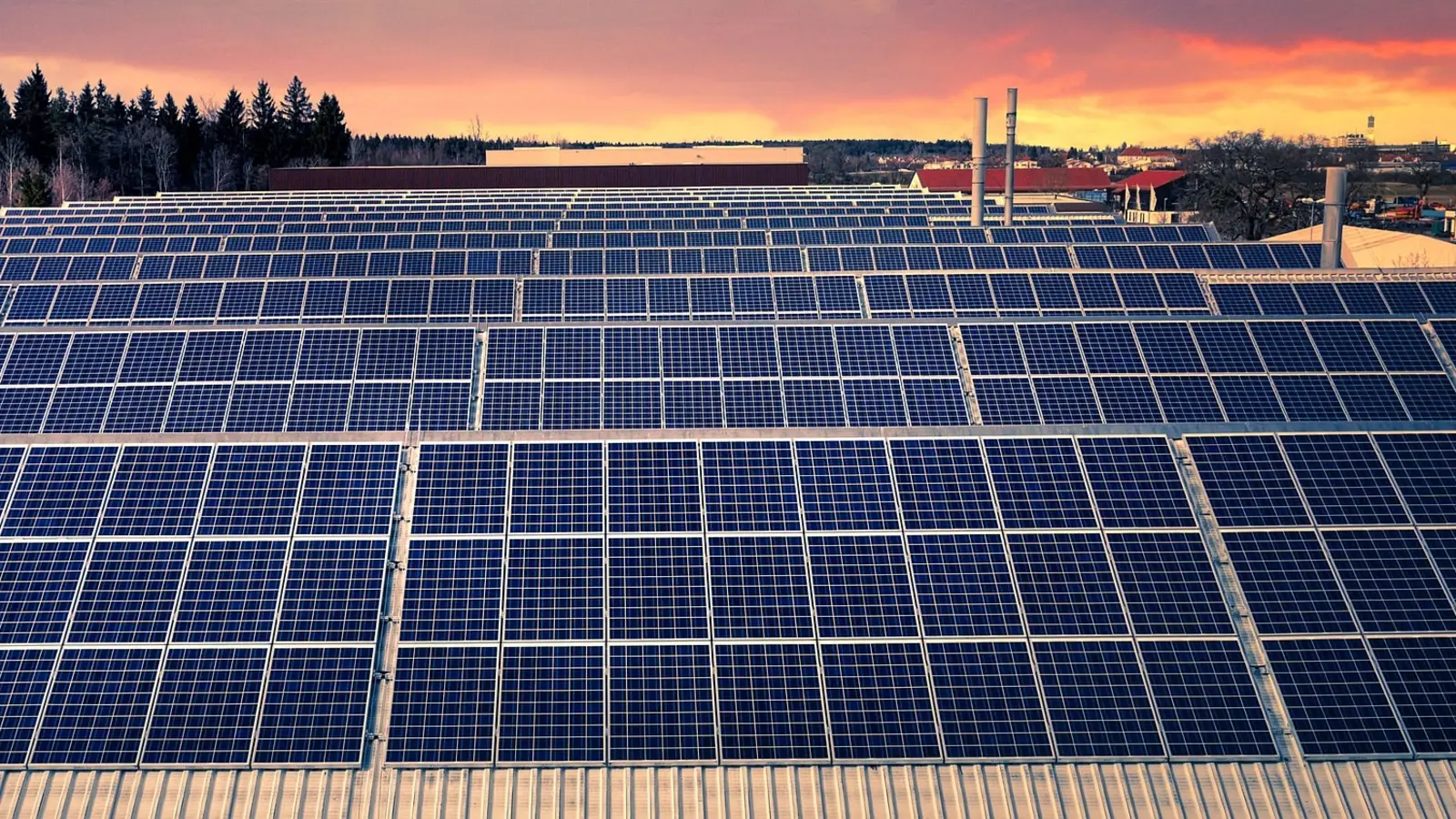
PLN Indonesia Power and PT ACE Energy Service agreed at Electricity Connect 2026 to build 60 MWp of solar paired with 200 MWh of batteries across ten isolated locations in Central Sulawesi. The Rp3.3 trillion project uses domestically made panels and could lower the cost of supplying electricity by around Rp1,000 per kWh.
Many of Indonesia's smallest power systems still run the way they did decades ago. A diesel generator sits in a building at the edge of a town or on a small island, fuel arrives by truck or boat, and the cost of every kilowatt hour follows the price of oil and the distance it has to travel. On 22 September 2026, at Electricity Connect 2026 in ICE BSD City, Tangerang, PLN Indonesia Power set out a concrete plan to change that for ten of those systems in Central Sulawesi.
The company and PT ACE Energy Service (ACEES) agreed to develop solar power plants integrated with battery energy storage systems at ten isolated locations in the province. The combined design is 60 MWp of solar and 200 MWh of storage, with an estimated investment of Rp3.3 trillion. Okezone, ANTARA, Liputan6, detikFinance, Warta Ekonomi, kumparan and IDN Times reported the agreement between 22 and 24 September.
What was agreed
The project is a dedieselisation package. Its purpose is to reduce reliance on diesel generation in areas that are not connected to a larger grid, while keeping supply reliable through storage.
Financing is planned through a consortium of Korean and Indonesian banks, according to ANTARA and Liputan6. The solar modules will come from PT Trina Mas Agra Indonesia, a domestic manufacturer, which raises the project's local content (TKDN). The reports put the potential reduction in the cost of supplying electricity (BPP) at around Rp1,000 per kWh, depending on the characteristics of the system at each location.
One point on the investment figure is worth noting. Most outlets attribute the Rp3.3 trillion to the Central Sulawesi solar and storage project itself. IDN Times reports that the five collaborations signed by PLN Group at the event are together valued at about Rp3.3 trillion. Readers should treat the figure as the headline estimate for the dedieselisation package as reported by the majority of sources, pending project level disclosure.
Julita Indah, Director of Business Development and Commerce at PLN Indonesia Power, explained why the pairing matters.
"Integrasi PLTS dan BESS memberikan dua manfaat sekaligus." Julita Indah, PLN Indonesia Power. In English: integrating solar and battery storage delivers two benefits at once, more use of renewable energy and less dependence on diesel.
Why storage is the centre of the design
Solar on its own cannot replace a diesel generator in an isolated system. The sun sets, clouds pass, and a small grid has no neighbour to borrow power from. What makes the Central Sulawesi design credible is the size of the battery relative to the panels.
At 200 MWh of storage against 60 MWp of solar, the package carries roughly 3.3 MWh of storage for every MWp of generation. That ratio points to batteries sized to shift a meaningful part of the midday solar output into the evening peak, rather than simply smoothing short fluctuations. It is the feature that allows diesel units to run less often and at more efficient loads, or to step back into a reserve role.
For comparison, the national programme described by PLN in April 2026 envisaged about 3.21 GWp of solar and an estimated 9.03 GWh of storage, a ratio of roughly 2.8 MWh per MWp. Central Sulawesi sits at the storage heavy end of that range, which suits isolated systems where reliability depends entirely on local resources.
The national programme this project belongs to
The Central Sulawesi package is one piece of a much larger effort. As reported by Kontan in April 2026, PLN plans to replace 2,396 diesel units at 741 locations with a combined capacity of 1,076.04 MW, mainly through solar with batteries and, where the resource allows, hydropower. Speaking for PLN at the time, Darmawan Prasodjo said that the use of imported and expensive fuel should be reduced in the short and medium term.
The economics behind that push are straightforward. Kontan reported that the fuel cost of diesel generation had risen to about 30 US cents per kWh, up from about 22 US cents, as oil prices moved toward USD 100 per barrel. Sugeng Suparwoto, Deputy Chair of Commission XII of the House of Representatives, noted in the same report that Indonesia's roughly 2.2 GW of diesel capacity accounts for close to Rp40 trillion in primary energy costs.
Against that background, a potential saving of around Rp1,000 per kWh in isolated systems is significant. Every kilowatt hour that moves from diesel to solar and storage also removes a fuel delivery, a logistics risk and a source of local emissions.
Building domestic capability alongside clean power
PLN Indonesia Power framed the agreement as part of a broader business transformation. Alongside the Central Sulawesi project, its subsidiary PLN IP Services signed two further collaborations at the event: one with PT ABB Sakti Industri for maintenance, supply and repair of generators, motors and variable speed drives, and one with PT Barata Indonesia and Technofit Sdn Bhd to develop a maintenance, repair and overhaul (MRO) centre for turbines and rotating equipment at the PKT Cilegon plant, aimed at the Asia Pacific market.
Bernadus Sudarmanta, President Director of PLN Indonesia Power, described the intent in broad terms, as reported by ANTARA.
"Kami ingin transisi energi memberikan nilai tambah yang lebih luas. Bukan hanya menghadirkan energi yang lebih bersih, tetapi juga menciptakan efisiensi, memperkuat industri dalam negeri, meningkatkan TKDN, dan membangun kapabilitas Indonesia agar semakin kompetitif." Bernadus Sudarmanta, PLN Indonesia Power.
The use of domestically produced modules is the clearest expression of that aim in the solar project. It links the dedieselisation programme to the growth of Indonesia's own solar manufacturing base, which the 100 GW solar programme is also expected to draw on.
Sirkularium's view for government and public institutions
Sirkularium sees the Central Sulawesi agreement as a practical template for the rest of the dedieselisation programme. It combines a clear objective, a storage heavy technical design, blended financing and local content in a single package, and it targets the systems where the savings are largest.
Several priorities would help the model scale.
Publish site level results. The Rp1,000 per kWh estimate depends on each location's characteristics. Sharing actual diesel displacement, battery performance and supply cost after commissioning would give other provinces and lenders a verified reference.
Plan the diesel fleet's new role. Existing generators will likely remain as backup in the early years. Clear operating rules for when diesel runs, and a plan for retiring or relocating units, will help lock in fuel savings.
Prepare local operators. Battery systems need different skills from diesel maintenance. Training for PLN unit staff and local technicians, possibly linked to the new MRO capabilities, will support long term reliability.
Link to productive use. Cheaper and more reliable power in isolated communities can support cold storage for fisheries, agricultural processing and small industry. Regional governments can align local economic programmes with the commissioning schedule.
What to watch next. The key milestones are financial close with the Korean and Indonesian bank consortium, construction start at the first of the ten locations, and the next dedieselisation clusters to be tendered. Each will show how quickly Indonesia's isolated grids can shift from imported fuel to local sunlight stored for the evening.
Sources
- Okezone Economy, Rp3.3 trillion battery based solar developed at 10 isolated locations
- ANTARA, PLN Indonesia Power strengthens business transformation and the energy transition
- Liputan6, PLN Indonesia Power accelerates the transition through solar with storage and MRO
- detikFinance, PLN builds 60 MWp solar and 200 MWh storage in Central Sulawesi
- Warta Ekonomi, PLN Indonesia Power develops a Rp3.3 trillion solar and storage project in Central Sulawesi
- kumparan, PLN IP develops battery integrated solar and an MRO centre for Asia Pacific
- IDN Times, PLN Group signs five collaborations at Electricity Connect 2026
- Kontan, PLN to accelerate dedieselisation of 1,076 MW of diesel plants at 741 locations