VDNI puts 69 electric excavators, loaders and dump trucks to work at its Morosi smelter
By Sirkularium Editorial Team, 8 min read
PT Virtue Dragon Nickel Industry has invested around Rp45 billion in electric heavy equipment and material handling vehicles at Morosi, Southeast Sulawesi, and expects the programme to cut 43,411 tonnes of greenhouse gas emissions by the end of 2027. It is a practical example of the energy efficiency pillar of Indonesia's nickel decarbonisation roadmap.
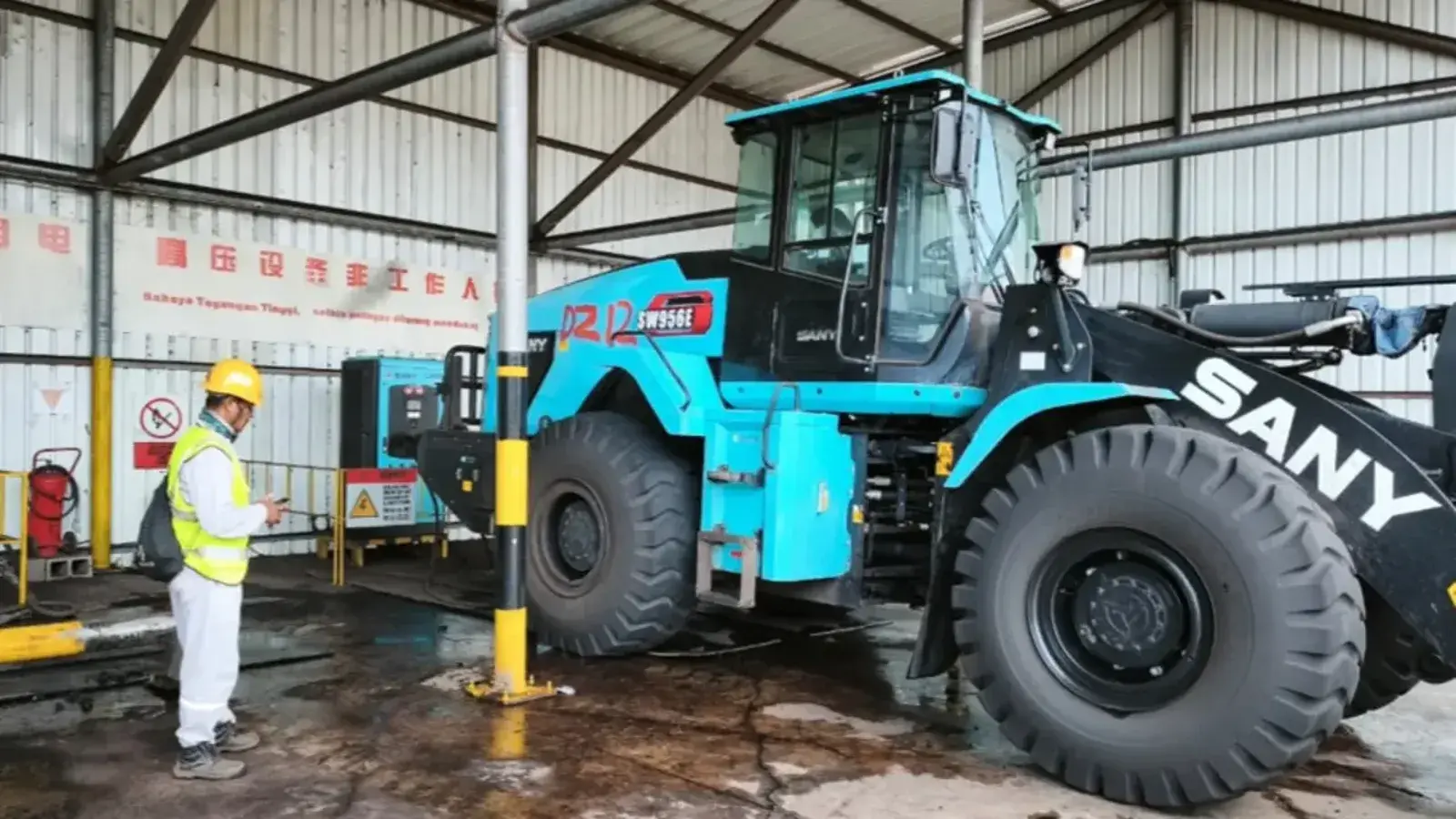
PT Virtue Dragon Nickel Industry (VDNI) has put 69 electric heavy equipment and material handling vehicles into service at its smelter complex in Morosi, Konawe, Southeast Sulawesi. The company reported the programme on 28 September 2026, and ANTARA, Dunia Energi and Koran Jakarta covered it. The fleet represents an investment of around Rp45 billion. VDNI expects it to reduce greenhouse gas emissions by 43,411 tonnes by the end of 2027.
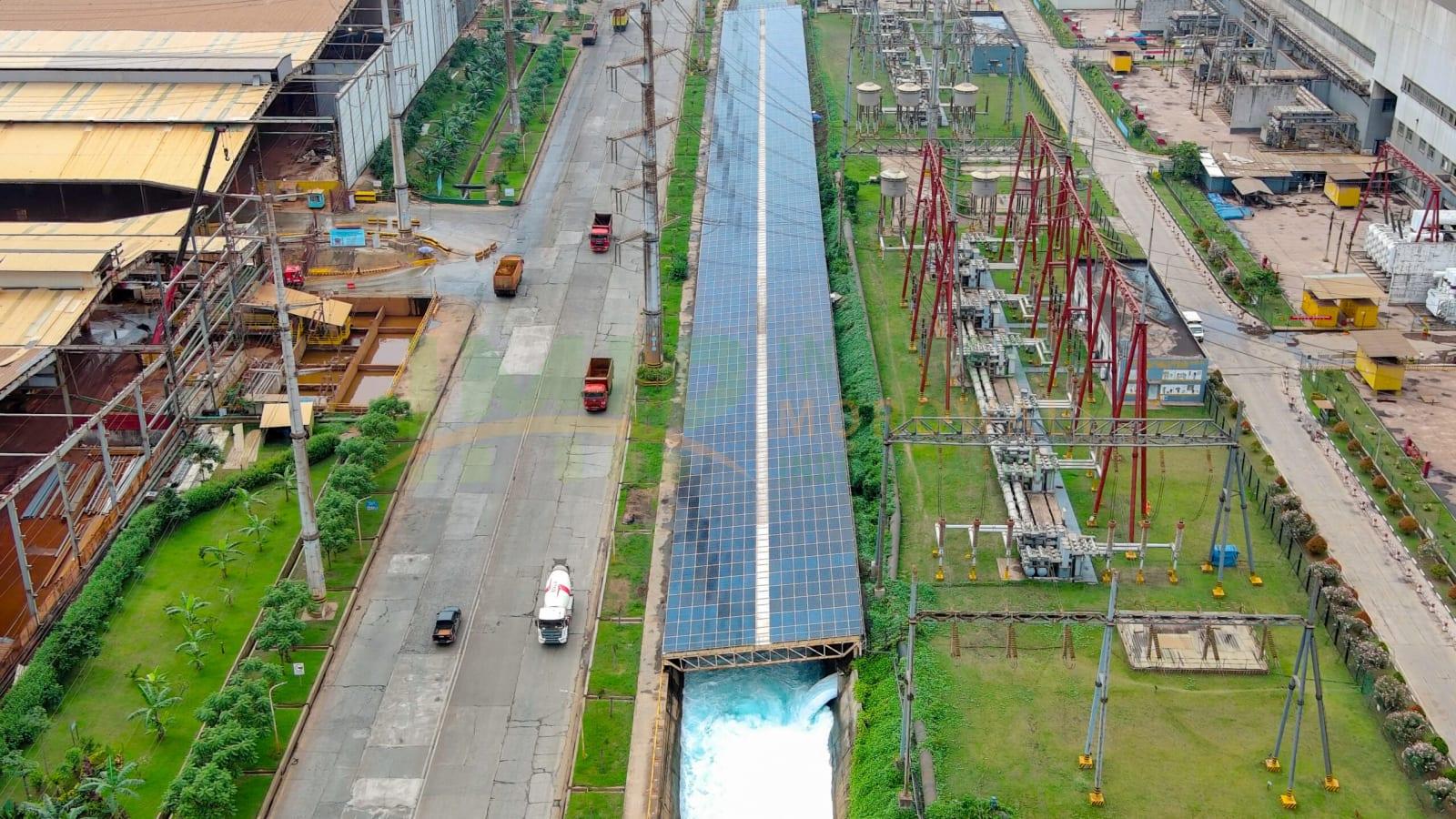
The fleet is small next to the scale of a nickel smelting complex. Still, it tackles a part of industrial emissions that often gets less attention than furnaces and power plants: the constant movement of ore, coal and materials inside the site. That work has usually been done by diesel machines. Replacing them with electric units is one of the more straightforward decarbonisation steps a heavy industrial site can take, and it also improves energy efficiency.
What VDNI has deployed
According to ANTARA and Dunia Energi, the 69 units consist of 16 electric excavators, 13 electric loaders and 40 electric dump trucks. The dump trucks are operated by external partners. Koran Jakarta describes the same programme, with the excavators and loaders at the core of VDNI's own fleet and the partner-run dump trucks supporting ore and coal transport.
The vehicles cover a wide range of routine work inside the complex. They move ore, prepare raw materials for ferronickel production, and handle coal blending for the site's power generation facilities. These are high-hour, repetitive duties, run around the clock. That is where switching away from diesel tends to pay off fastest.
Adam Rumanda, Corporate Affairs Manager at VDNI, set the programme within the company's wider decarbonisation strategy.
"VDNI sees carbon emission control and energy efficiency as key factors in its decarbonisation strategy." Adam Rumanda, Corporate Affairs Manager, VDNI
He also described electric heavy equipment as a long-term investment to reduce exhaust emissions and noise. He said the company shares the government's long-term goal of controlling industrial carbon emissions.
An efficiency gain as much as an emissions one
Electrifying site vehicles is often discussed as a climate measure. It is also an energy efficiency measure. Electric drivetrains turn a much larger share of their input energy into useful work than diesel engines do. They waste little energy when idling, which matters for loaders and excavators that spend much of a shift waiting between cycles. They also need less routine maintenance, because they have far fewer moving parts.
The reported benefits cover more than the emissions figure. Electric units produce no exhaust at the point of use. That improves air quality in stockpile yards and loading areas, where workers spend long hours close to the machines. Noise is lower too, which helps both workplace conditions and nearby communities. Dunia Energi's earlier reporting on VDNI's 2026 priorities, published on 7 September 2026, listed this green logistics transformation alongside production stability, community programmes and workplace safety as the company's main focus areas for the year.
VDNI's next steps point toward a fuller system rather than a one-off purchase. The company plans to add more electric heavy equipment and material handling vehicles and to build battery charging and battery swapping facilities. It also plans to schedule vehicle use more systematically, so that charging fits production cycles. Structured scheduling is itself an efficiency tool: it lets a site run fewer vehicles at higher utilisation and time charging for periods of lower demand.
For heavy industry, the cleanest kilowatt-hour is often the one not wasted by an idling diesel engine. Electrifying site logistics captures that saving first, and its value grows as the power supply behind it gets cleaner.
Where this fits in the national nickel roadmap
In June 2025, the Ministry of National Development Planning (Bappenas) and WRI Indonesia launched a National Nickel Industry Decarbonisation Roadmap. It was prepared with more than 30 mining and smelting companies from Sulawesi and North Maluku, together with 15 government agencies and academic partners. The roadmap targets an 81 percent reduction in nickel industry emissions by 2045. It notes that without intervention, emissions could instead grow by 86 percent. Indonesia supplies around 60 percent of the world's nickel, which makes the sector's emissions path globally significant.
The roadmap rests on four strategies: energy and material efficiency, fuel switching, material substitution, and low-carbon electricity. VDNI's programme sits across the first two. It replaces diesel with electricity for internal transport, and it raises the energy efficiency of that transport.
The roadmap also makes clear that power supply is the largest source of emissions in nickel processing. As reported by Media Nikel Indonesia, Indonesian nickel carries an emissions intensity around 7 to 10 times higher per tonne of metal than international benchmarks, largely because processing depends on coal-based power. The roadmap estimates a need for 47.3 GW of new renewable capacity by 2045.
This connects directly to electric fleets. Electric vehicles at a smelter draw on the site's own power system, which in Morosi currently relies mainly on coal-fired generation. The efficiency and air quality gains apply from day one. The full carbon benefit will grow step by step as the power supply adds renewables. Fleet electrification and cleaner on-site power therefore reinforce each other, and the roadmap anticipates both.
What to watch next
Three indicators will show how this programme develops.
The first is fleet growth. VDNI has said it will add more electric units. The share of the site's total vehicle fleet that is electric, and whether partner-operated trucks keep pace, will show how quickly diesel use falls.
The second is charging and battery swapping infrastructure. Battery swapping can keep high-utilisation machines working through shift changes, and it is often what makes electric haulage workable at scale. The design VDNI chooses could be useful for other smelters in Sulawesi and North Maluku.
The third is measurement. The 43,411 tonne figure is a target to the end of 2027. Regular reporting of diesel displaced, electricity consumed and emissions avoided would let the company show progress against it, and would give buyers of its products verifiable data.
Sirkularium's view
For government and public institutions, VDNI's programme is a useful case of industrial decarbonisation that can move now, alongside longer-term work on the power supply. The technology is available, the operating benefits are immediate, and the investment is modest compared with the scale of smelting operations.
Sirkularium sees three ways public policy can help turn examples like this into standard practice across Indonesia's processing hubs. First, recognise electrification of on-site logistics as an explicit, reportable measure in the implementation of the nickel decarbonisation roadmap, with a simple method for counting diesel displaced and emissions avoided. Second, link fleet electrification with the energy management obligations that already apply to large energy users, so that electric haulage and charging schedules are part of each site's energy plan. Third, pair fleet electrification with renewable supply at the same sites. Solar on smelter roofs and storage for charging would let the carbon benefit of electric fleets grow year by year.
Sixty-nine electric machines will not decarbonise a smelter on their own. They do show that a major nickel producer is changing how work gets done on site, in a way that is measurable, replicable and aligned with national targets. If progress is reported openly, Morosi can offer a practical reference for the wider industry.
VDNI electric fleet at Morosi by vehicle type
Values in units
Sources
- ANTARA, VDNI carries out a green logistics transformation
- Dunia Energi, Virtue Dragon Nickel operates 69 electric units and targets 43,411 tonnes of emission cuts by 2027
- Koran Jakarta, VDNI's decarbonisation strategy for green logistics at Morosi
- Dunia Energi, Virtue Dragon Nickel strengthens fundamentals and green transformation
- ANTARA, Indonesia commits to cutting nickel industry emissions 81 percent by 2045
- Media Nikel Indonesia, Bappenas and WRI Indonesia on nickel industry decarbonisation